|

heat treatment
Thermal energy materials
water treatment
water quality material
Injection treatment
injection material
After sending your product inquiry list, our relevant business unit will contact you as soon as possible
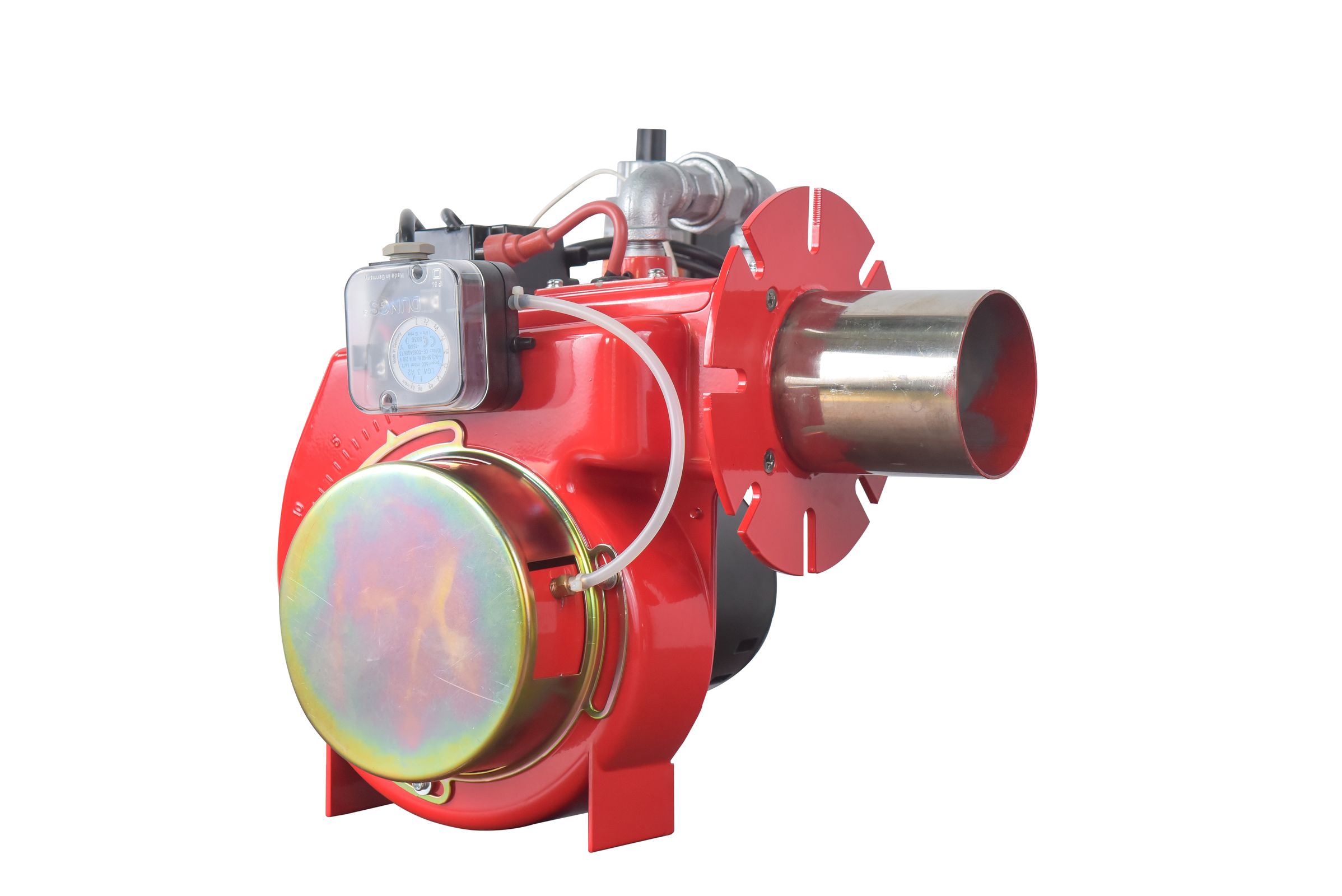
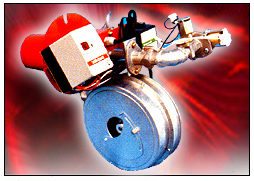
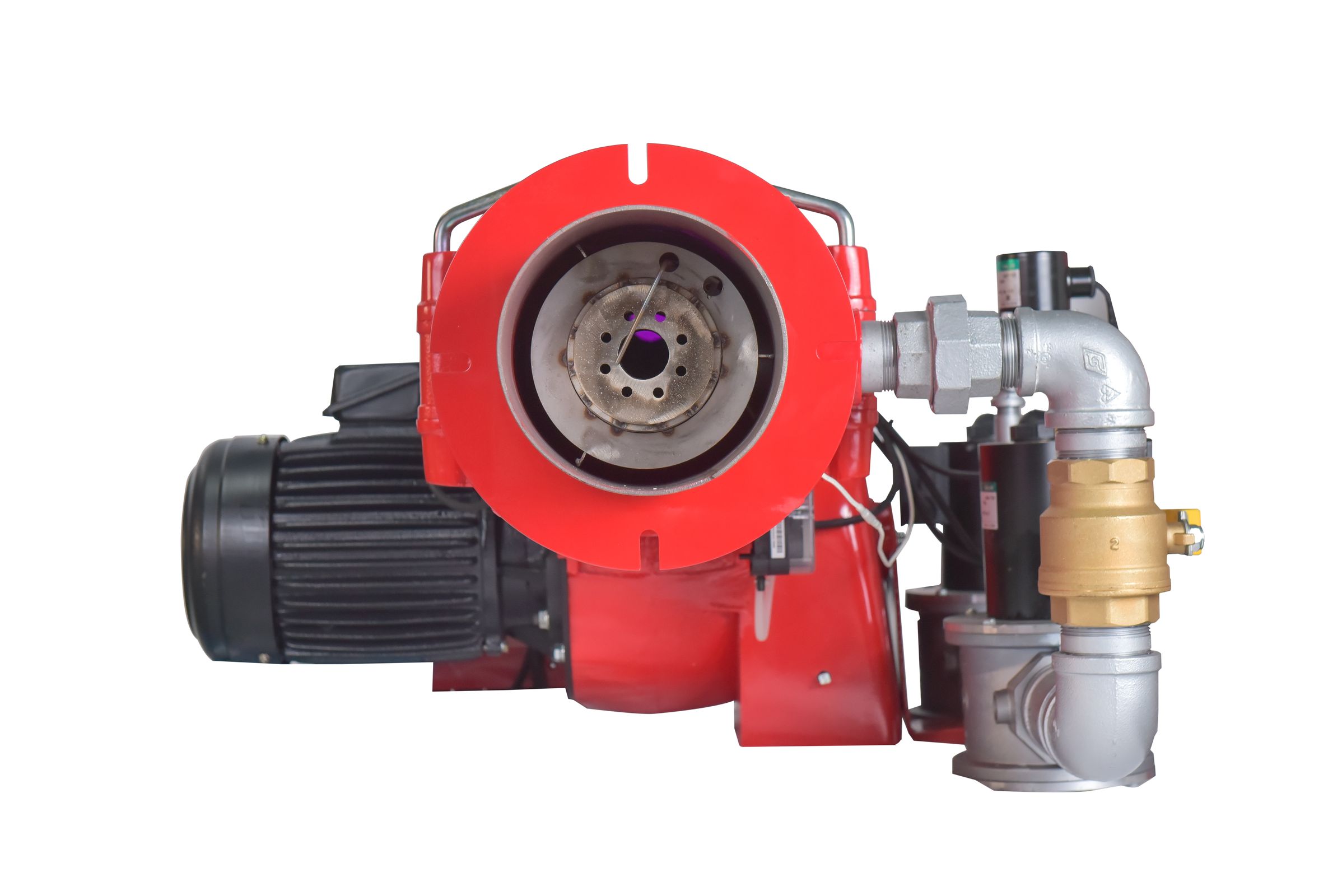
並非所有場域都需要複雜的火力調節;對用水(熱)需求穩定的設備,控制單純、耐用好維護的 ON-OFF 燃燒機反而更實用。GOM (N) 系列瓦斯燃燒機熱功率涵蓋 3~40 萬大卡(約 35~465 kW),採 ON-OFF 開關火,結構單純、性價比高。
GOM (N) 採 ON-OFF(開關火)控制與直接點火系統:需要火力時點火全火運轉、達到設定即停火,控制邏輯單純、故障點少、維護簡便。供氣採中壓系統,管線較小、成本較低、施工容易;適用 LPG 桶裝瓦斯與 LNG 天然氣,無需變更既有設備。
可搭配 UV 紫外線火焰監測控制器,火焰異常時自動警報並遮斷電源與瓦斯。GOM 系列以直接點火系統設計,兼顧性能與合理成本,性價比高。整機為日本 Olympia 原裝。
GOM 系列依控制方式分不同版本,可依火力調節需求選用:
| 系列 | way to control | 適合 |
|---|---|---|
| GOM (N)(本頁) | ON-OFF 開關火 | 需求穩定、重性價比 |
| GOM (NT) | 進階控制版 | 需較細火力調節 |
其他大卡級距見 ATS TG-30GA(30萬大卡),ATS (N)(10~20萬大卡)。更多見 Olympia 品牌頁.
GOM (N) 和 GOM (NT) 差在哪? N 為 ON-OFF 開關火、控制單純、性價比高;NT 為進階控制版,可依需求做較細的火力調節。
「ON-OFF」是什麼意思? 開關火控制:需要時全火運轉、達標即停火,邏輯單純、維護簡便,適合需求穩定的場域。
「直接點火」有什麼好處? 直接點火系統結構單純、故障點少,兼顧性能與合理成本。
LPG 和 LNG 都能用嗎? 可以,適用 LPG 桶裝瓦斯與 LNG 天然氣,無需變更既有設備。
| Burning capacity (kcal/h X 1000) | 300 |
| detect | probe |
| way to control | two-stage |
| power supply | Voltage V: 220/380 Phase: 3 |
| Motor(KW) | 0.40 |
| Gas inlet size | 25A |
|
| Burning capacity (kcal/h X 1000) | 100 |
| detect | probe |
| way to control | one paragraph |
| power supply | Voltage V: 220/220 Phase: 1 |
| Motor(KW) | 0.15 |
| Gas inlet size | 20A |
|
| Burning capacity (kcal/h X 1000) | 200 |
| detect | probe |
| way to control | one paragraph |
| power supply | Voltage V: 220/220 Phase: 1 |
| Motor(KW) | 0.25 |
| Gas inlet size | 20A |
|
| Burning capacity (kcal/h X 1000) | 300 |
| detect | probe |
| way to control | one paragraph |
| power supply | Voltage V: 220/380 Phase: 3 |
| Motor(KW) | 0.40 |
| Gas inlet size | 25A |
|
| Burning capacity (kcal/h X 1000) | 400 |
| detect | probe |
| way to control | one paragraph |
| power supply | Voltage V: 220/380 Phase: 3 |
| Motor(KW) | 0.40 |
| Gas inlet size | LPG: 25A LNG: 40A |
|
| fault state | reason | countermeasures |
|---|---|---|
| all do not move | 1. No power supply 2. The fuse is blown 3. Motor overload 4. Motor switch failure |
1. Check the total power 2. Check the control circuit for short circuit 3. Check whether the motor is faulty or replace it 4. Replace the switch |
| The motor will spin (but not fire) | 1. Dirty ignition stick 2. The ignition rod is in contact with the burner 3. No ignition sound and sparks 4. The air pressure switch is set too high |
1. Clean up 2. Adjustment 3. Check the ignition wire, electrode rod, ignition transformer or controller chassis feet 4. Adjustment |
| Lights up but goes out after a few seconds | 1. Dirty electric eyes 2. The sensor rod is in contact with the flame 3. Insufficient gas pressure 4. Sensing rod wear 5. The feet 13 and 14 of the controller chassis are too open |
1. Clean up 2. Adjustment 3. Adjustment 4. Replacement 5. Adjust the clamping |
| abnormal flameout | 1. There is ignition but no ignition 2. Electric eye or sensor rod failure |
1. The wind pressure is too large, adjust it down, the solenoid valve is faulty (updated), and there is no gas 2. Update the sensor or sensor stick |
 繁體中文 繁體中文
  English
  日本語
日本語