
PRODUCT INFORMATION
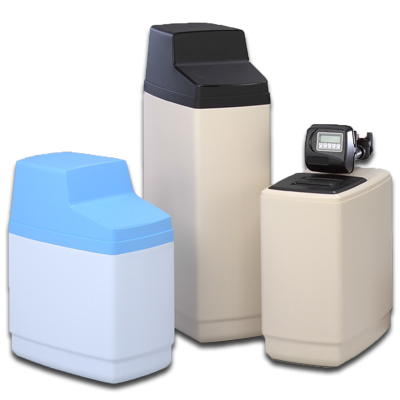
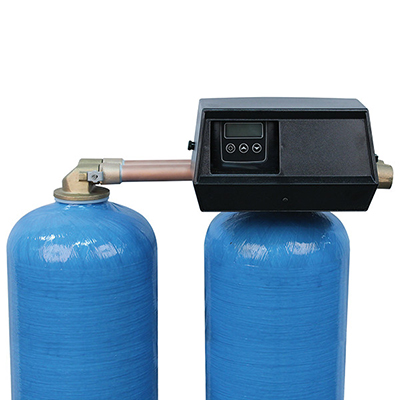
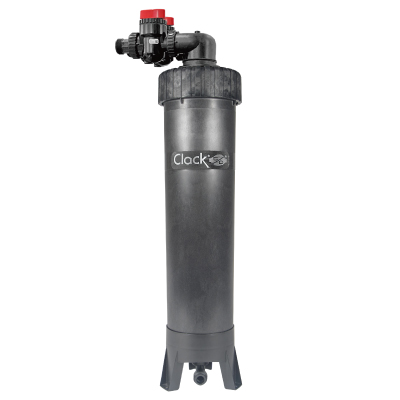
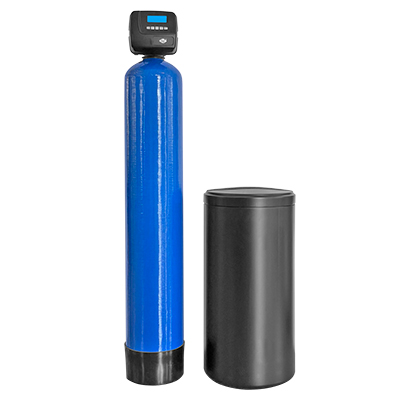
Clack Industrial Water Softeners (Ion Exchange Resin, Salt-Saving & Environmentally Friendly, HSP Series)
- front page
- product
- Water softener (calcium and magnesium ion removal)
- water treatment
- Clack Industrial Water Softeners (Ion Exchange Resin, Salt-Saving & Environmentally Friendly, HSP Series)
Product Information
- heat treatment
-
water treatment
- Deaerator
- Desulfurizer
- Arsenic remover
- Water softener (calcium and magnesium ion removal)
- Carbon filter (removes odor and residual chlorine)
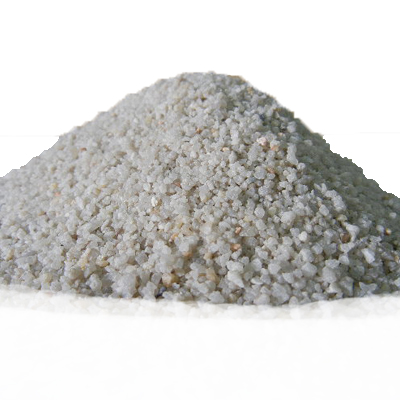
- Sand filter (removal of suspended impurities)
- Iron remover (removal of iron and manganese ions)
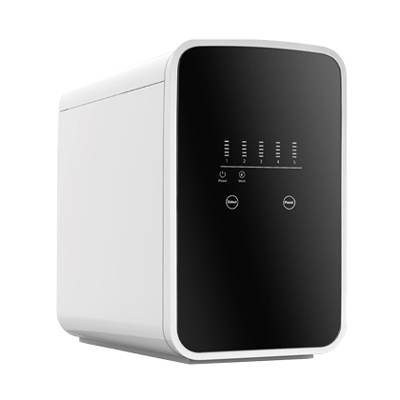
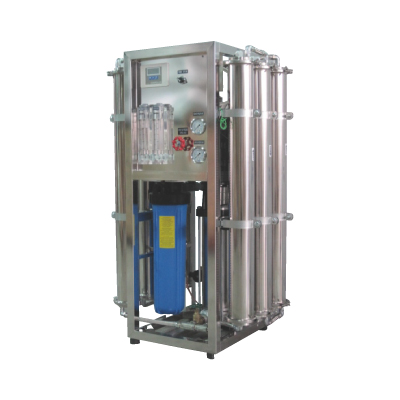
- RO water purifier
- Pre-backwash filter
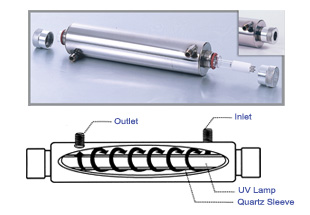
- UV ultraviolet sterilizer
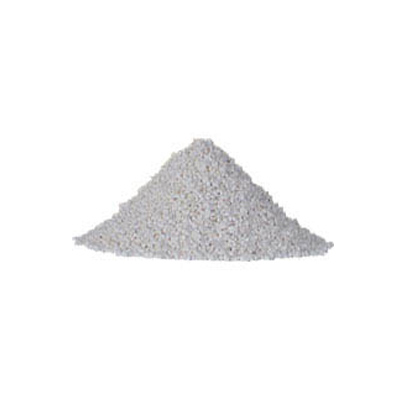
- Ion exchange resin
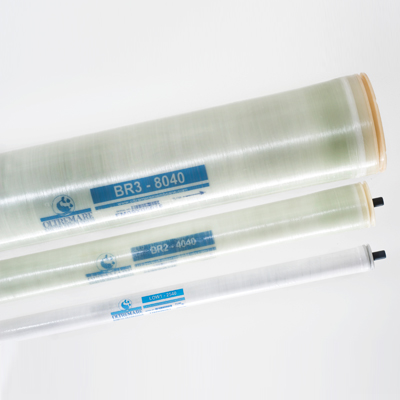
- reverse osmosis membrane tube
- quick filter
- Various tanks for water treatment
- Various application filter media
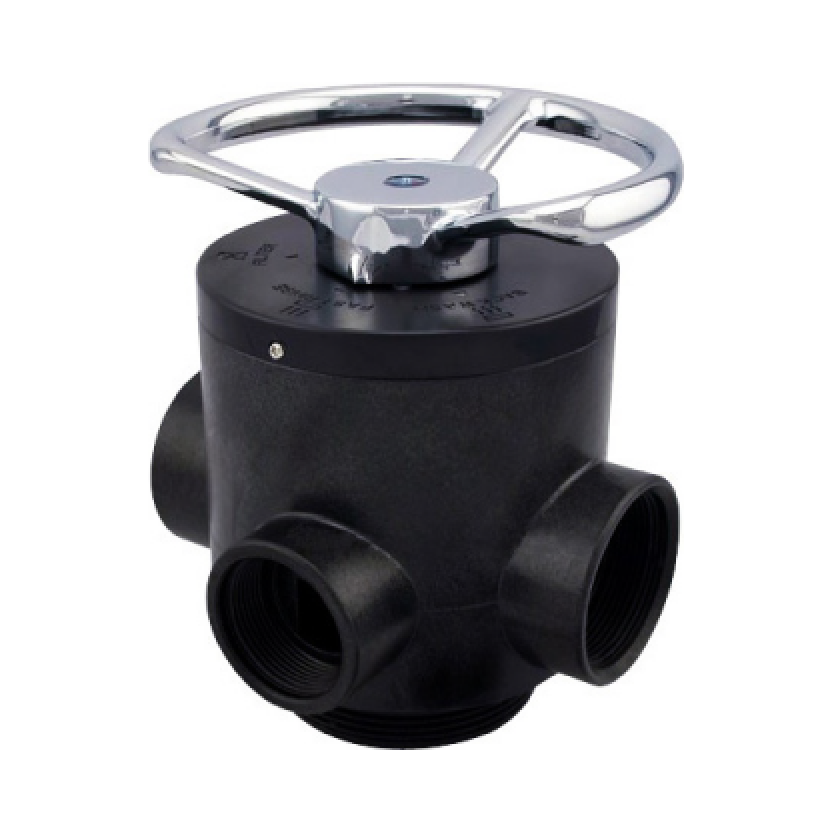
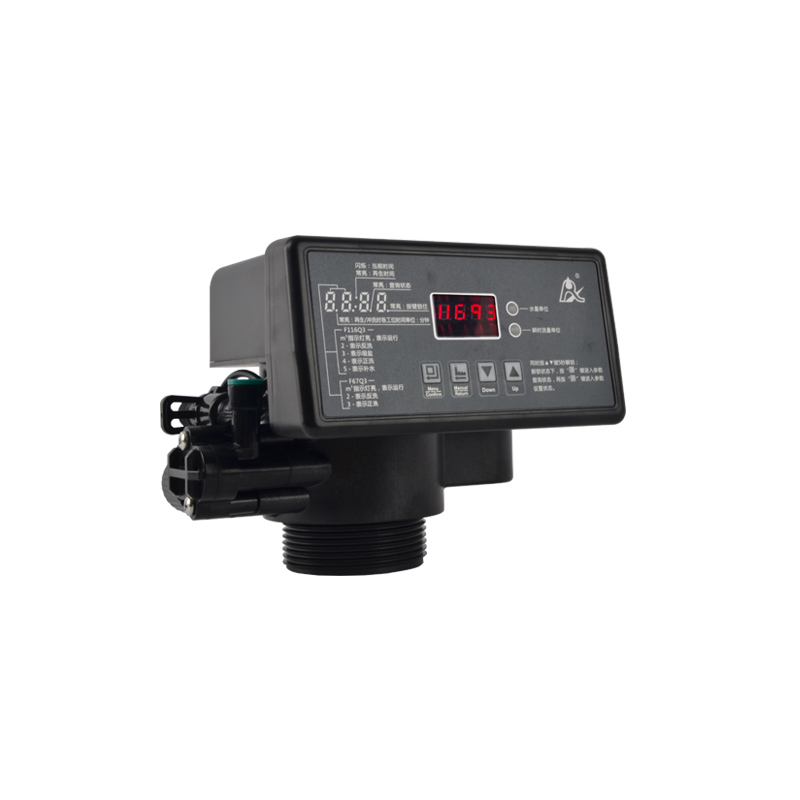
- 美國 Clack Clark control valve
- 美國 Fleck Control Valve
- 美國 Pentair Control Valve
- 美國 Autotrol Control Valve
- Runxin Control Valve
- Injection treatment
- Technology Development Department
-
brand
- Qin Sen
- 義大利 ATLAS
- 日本 TOHKEMY
- 義大利AQUA
- US DOW
- IDEX USA
- US CLACK
- EMERSON, USA
- American PENTAIR
- SIEMENS Germany
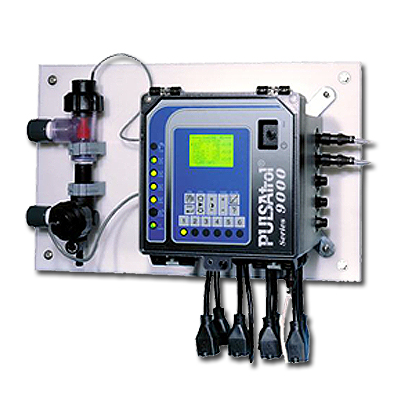
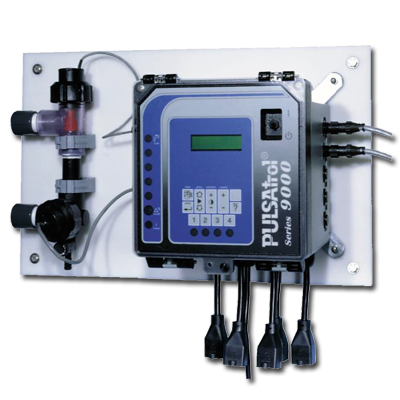
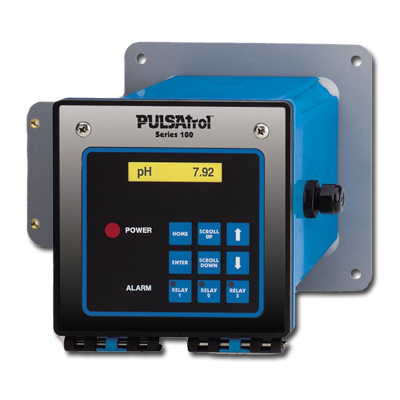
- American PULSAFEEDER
- Denmark DANFOSS
- Thailand HAYCARB
- France SUNTEC
- UK PUROLITE
- Japanese NOP
- Japan OLYMPIA
- Japan KATSURA
- BRAHMA, Italy
- SAGINOMIYA
- HONEYWELL
- AZBIL (YAMATAKE)
- OLTREMARE
- NIPCON
- TROCHOID
- domestic
- EGO
- KATO
- LECIP
- Taiwan ATS
- JACOBI
- ETATRON
- WAVE CYBER
- BOSCHINI
- NIPPON
- WL
- CASH ACME
- YAZAKI
- RUNXIN
- About | Contact
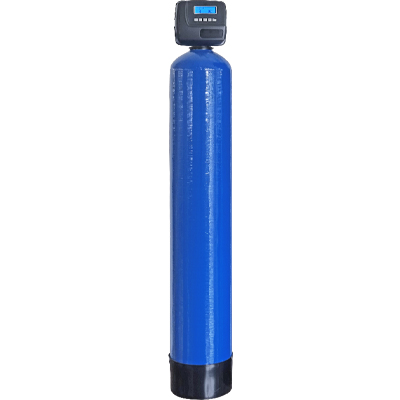
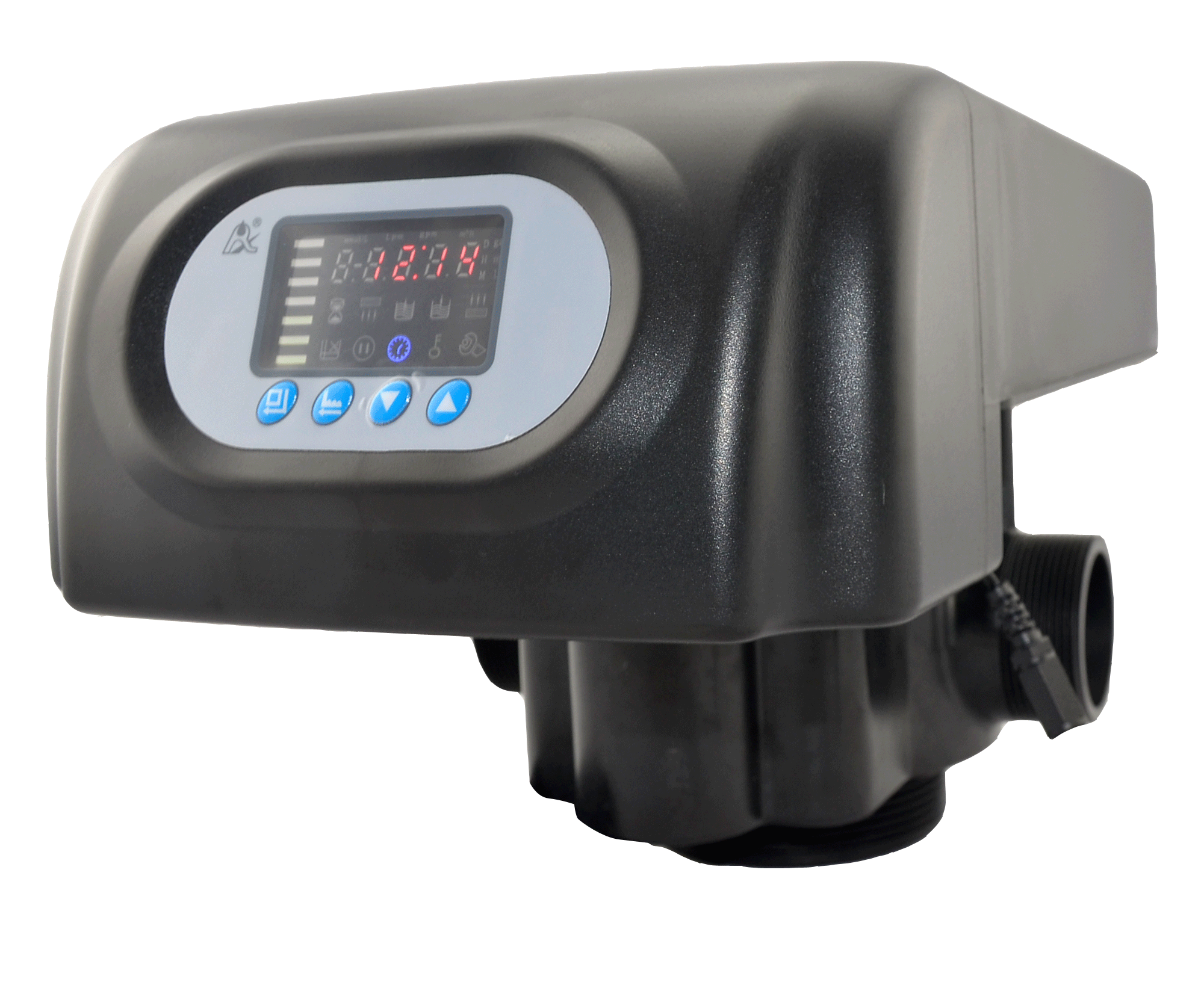
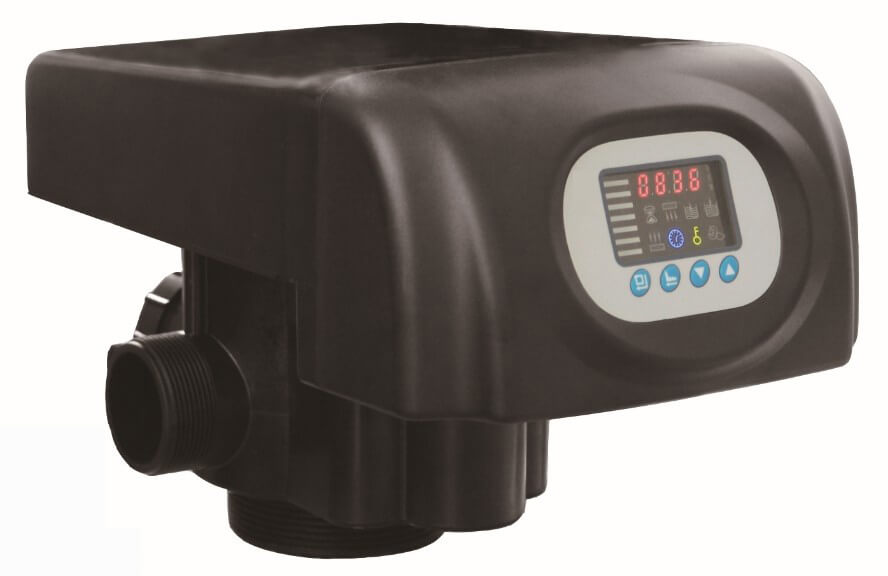
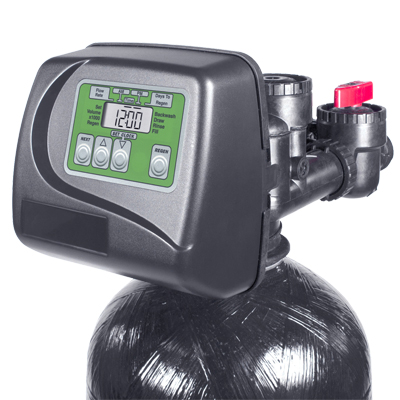
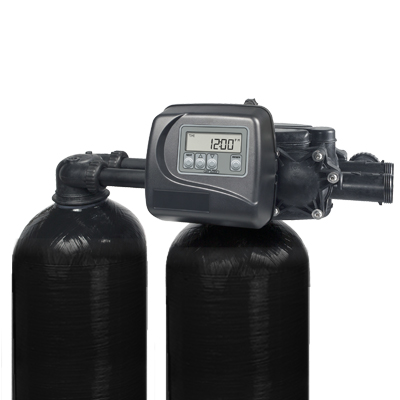
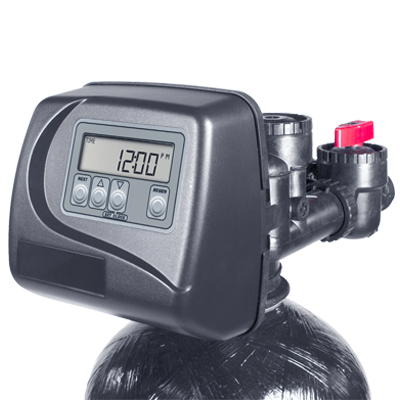
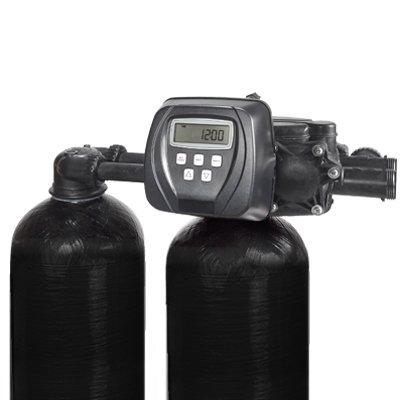
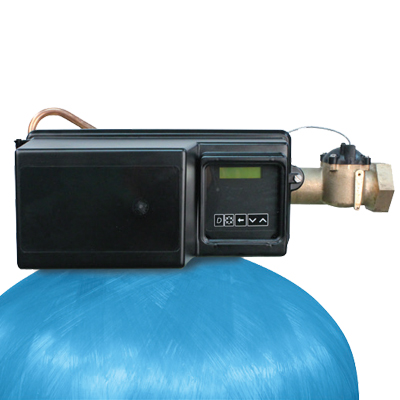
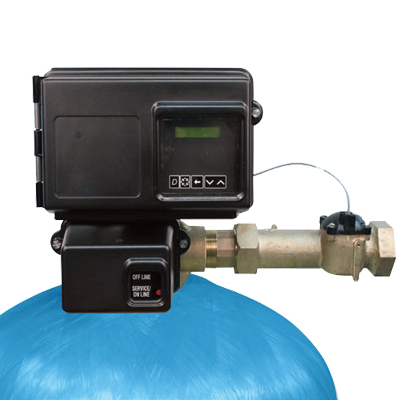
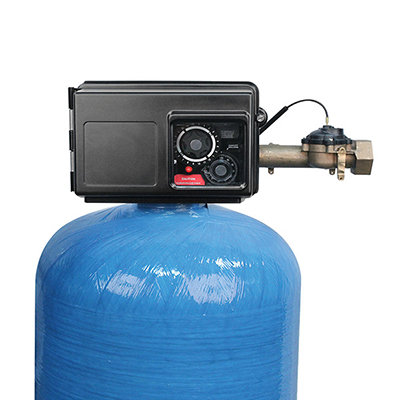
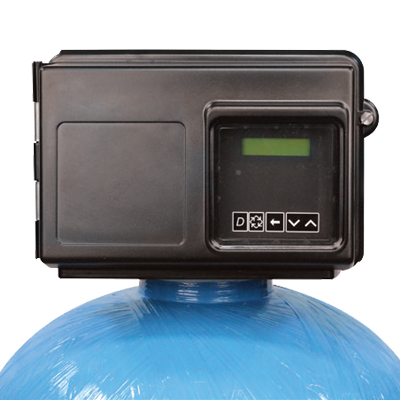
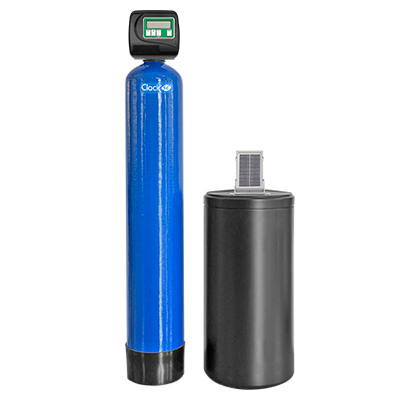
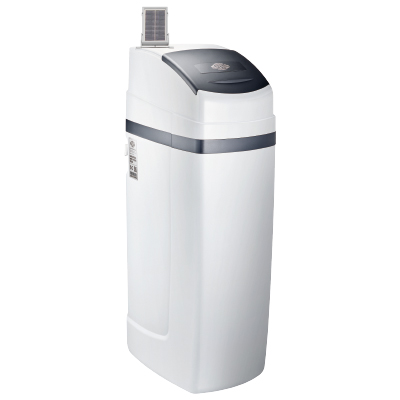
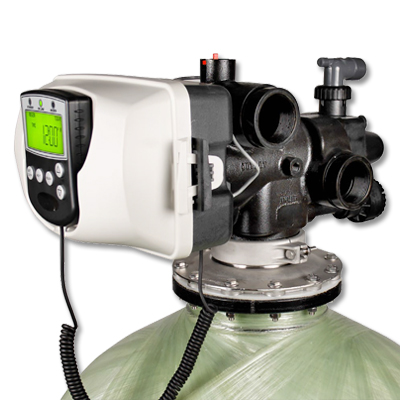
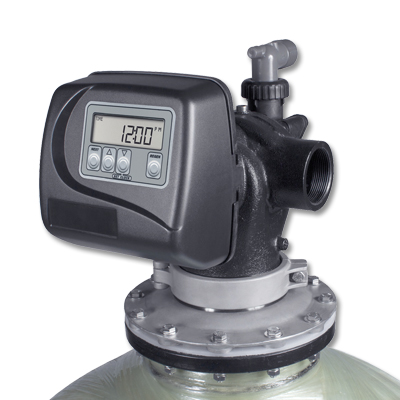
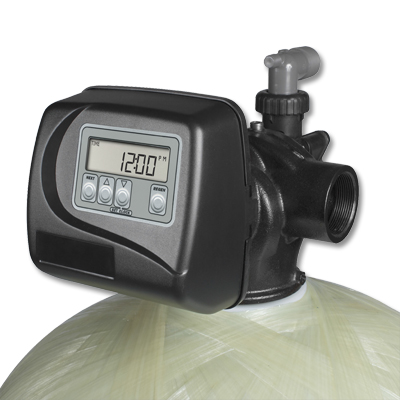
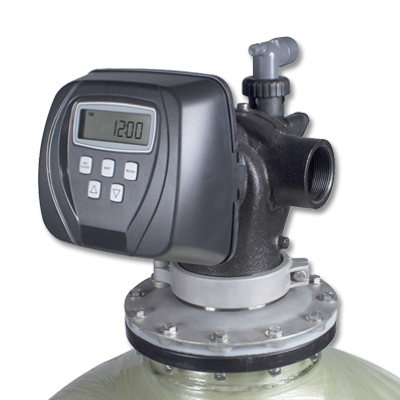
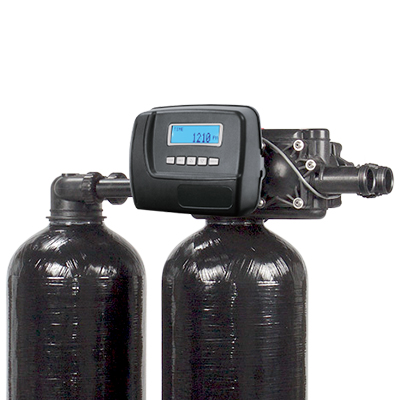
Suitable for industrial softening sites where salt conservation and environmental protection are prioritized and minor leakage of hardness is acceptable, reducing salt consumption and saline wastewater discharge. Clack Industrial Water Softeners (Ion Exchange Resin, Salt-Saving & Environmentally Friendly, HSP Series)
A new choice for salt-saving and environmentally friendly soft water, partial recycling saves a significant amount of recycled salt, reducing both environmental impact and costs.
Traditional water softeners consume a lot of salt during regeneration, and the saline wastewater causes an environmental burden.
Traditional water softeners restore resin to near full capacity with each regeneration cycle, consuming large amounts of regeneration salt and discharging saline wastewater, resulting in cost and environmental burdens. Clack HSP, with its partial regeneration technology, significantly reduces salt consumption within acceptable water quality ranges.
The operating mechanism of partially recycled salt
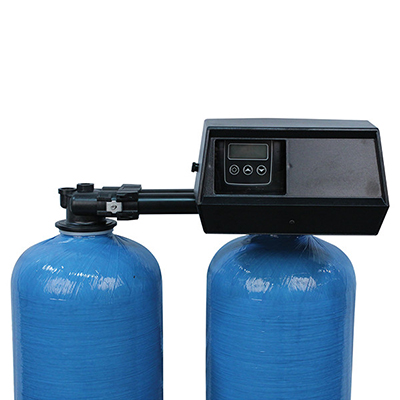
HSP only restores a "partial" portion of the resin's exchange capacity during each regeneration, rather than completely regenerating it, thereby significantly reducing salt consumption and saline wastewater discharge per regeneration. The control valve operates in flow mode, triggering regeneration based on the actual amount of water used. This design prioritizes salt conservation and environmental protection.
Water quality trade-offs that need to be understood
Because partial regeneration is used, the resin is more likely to experience "slight leakage of hardness" after multiple regenerations.Prioritizing environmental protection and salt conservation, with relatively lenient requirements for soft water quality.This technology is suitable for applications with strict hardness requirements and leak-proof conditions. If your process demands high regeneration and cannot tolerate leaks, we recommend switching to a fully regenerated main model or other configurations. When selecting a model, be sure to assess your actual water quality requirements.
Differences from other environmentally friendly and energy-saving models
The focus of HSP isPartially recycled saltIf your requirement is recycling and reuse, you can compare... CBR regenerated brine recovery (can recover approximately 20% of salt) and CKT regeneration water recovery (can recover approximately 711 TP 13T of wastewater)Generally, the main features that emphasize complete regeneration and water quality are listed below. Water softener main model.
Frequently Asked Questions (FAQ)
Why can HSP save salt? Because each regeneration only restores part of the resin's exchange capacity and does not perform a complete regeneration, the salt consumption and saline wastewater are both reduced.
Will it affect the quality of soft water? Yes. After multiple regenerations, there may be a slight leakage in hardness, which is a trade-off made in exchange for environmental protection and salt conservation; it is not recommended for processes with strict hardness requirements.
How is it different from CBR and CKT? HSP stands for "partial regeneration and salt saving"; CBR stands for "regenerated brine recovery"; and CKT stands for "regeneration water recovery". They have different objectives and can be selected according to needs.
A new salt-saving and environmentally friendly soft water option: partial regeneration saves a significant amount of regenerated salt, reducing both environmental impact and costs. (Technology explanation)
| project | content |
|---|---|
| Type | Industrial water softener (ion exchange resin), salt-saving and environmentally friendly (HSP series) |
| Regeneration method | Partial regeneration (each regeneration restores only a portion of the resin's exchange capacity to reduce salt consumption) |
| Water quality characteristics | Slight leakage of hardness may occur after multiple regenerations; the focus is on environmental protection and salt conservation, with priority given to non-high-quality water. |
| Remove object | Calcium and magnesium ions (total hardness) |
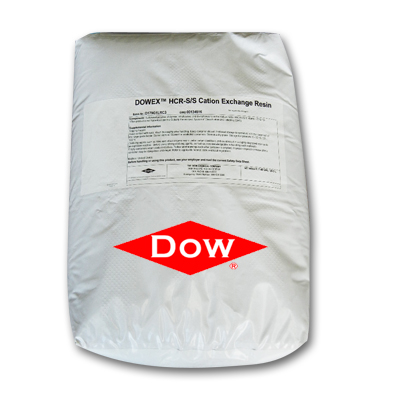
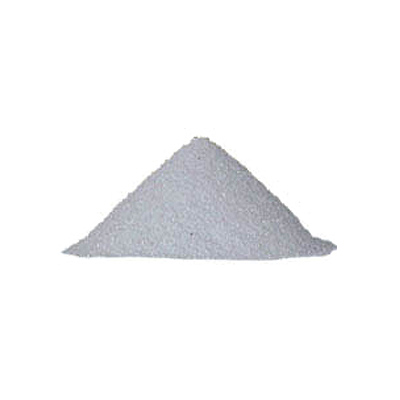
| Filter media | Ion exchange resin |
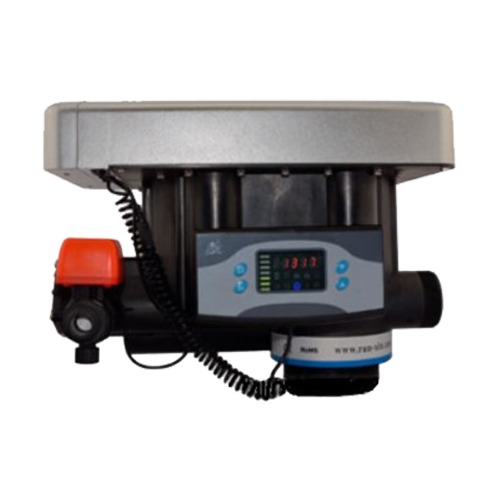
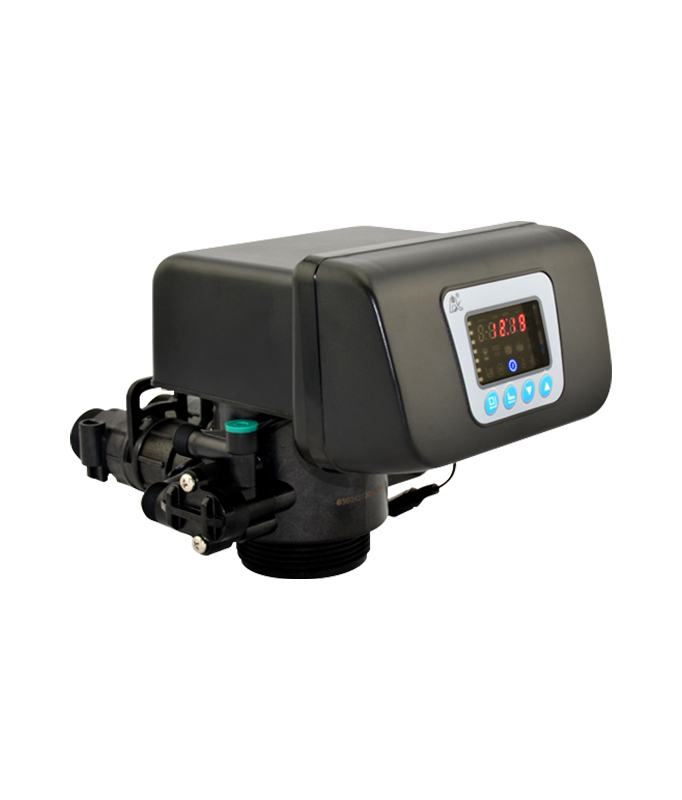
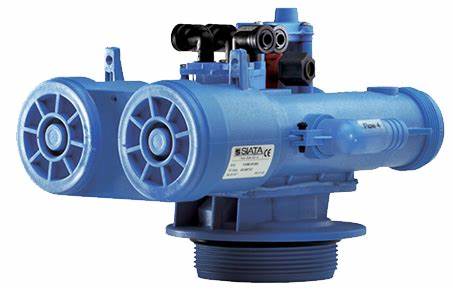
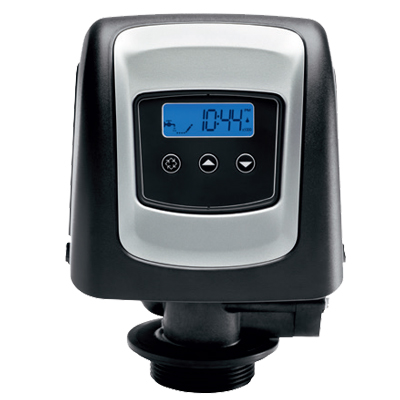
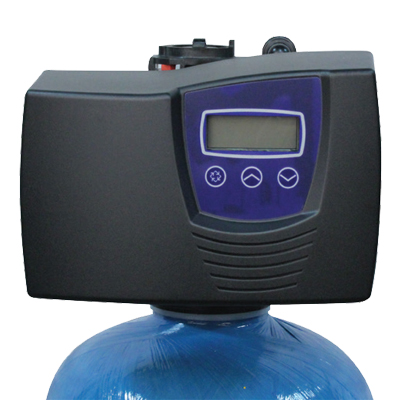
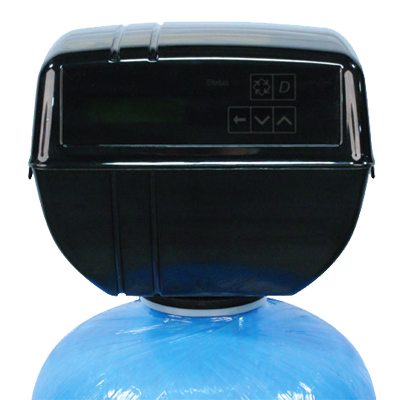
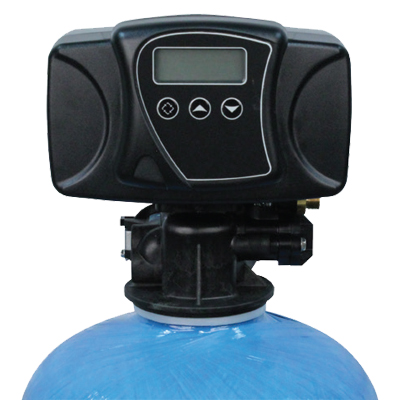
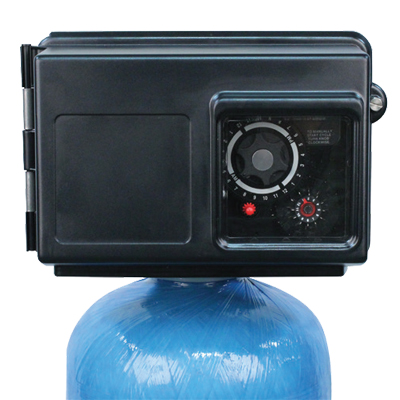
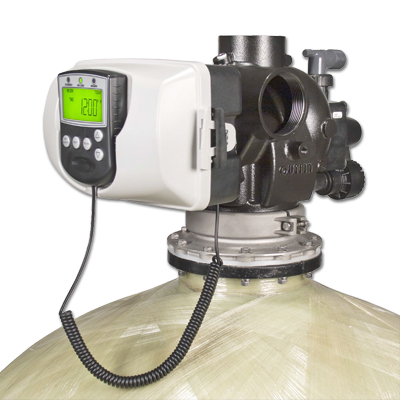
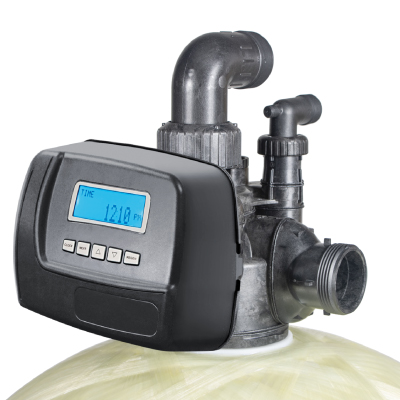
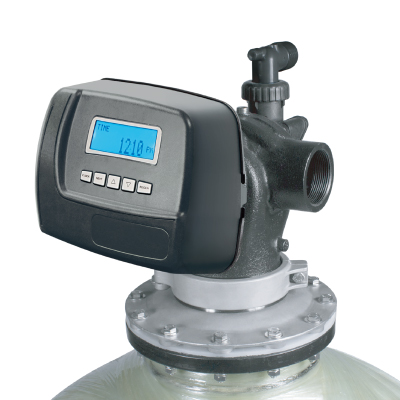
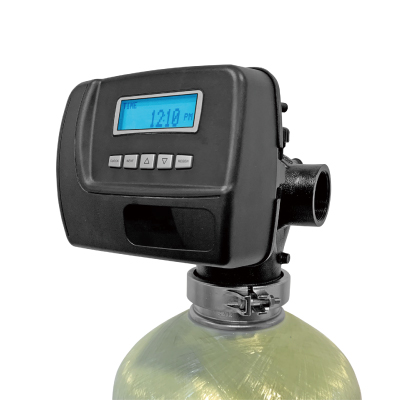
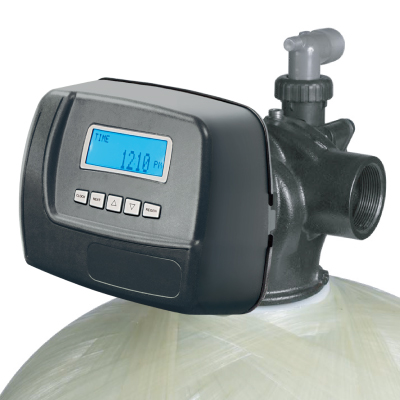
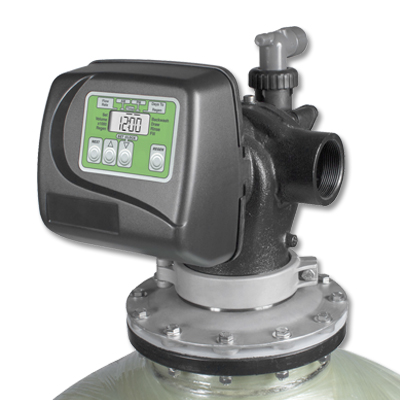
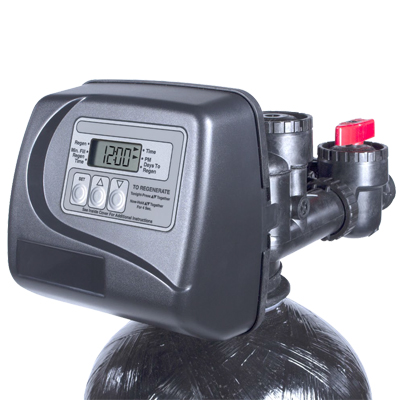
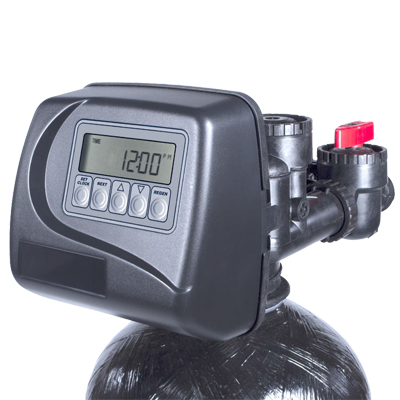
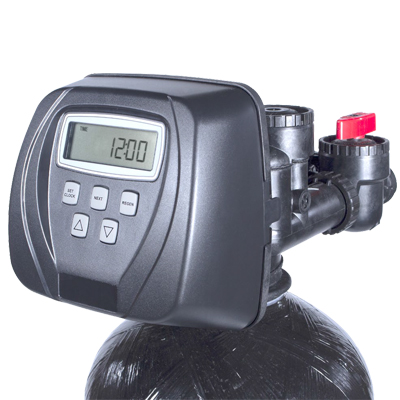
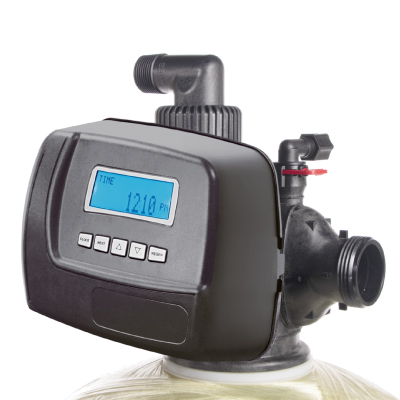
| way to control | Blue light flow control valve, flow mode (automatic regeneration based on water usage). |
| Salt bucket refill | Preset hydration time/set salt weight per replenishment |
| Salt storage in salt barrels | Dry salt storage |
| Applicable fields | Industrial sites that prioritize salt conservation and reduce saline wastewater discharge, and where slight leakage due to hardness is acceptable. |
| Orifice diameter / resin amount | [Pending confirmation from the original manufacturer's specifications] |









 繁體中文
繁體中文  English
  日本語
日本語