
PRODUCT INFORMATION
Ozone water treatment technology
- front page
- product
- Water Treatment Technology
- Technology Development Department
- Ozone water treatment technology
Product Information
- heat treatment
-
water treatment
- Arsenic remover
- Desulfurizer
- Deaerator
- Water softener (calcium and magnesium ion removal)
- Carbon filter (removes odor and residual chlorine)
- Sand filter (removal of suspended impurities)
- Iron remover (removal of iron and manganese ions)
- RO water purifier
- Pre-backwash filter
- UV ultraviolet sterilizer
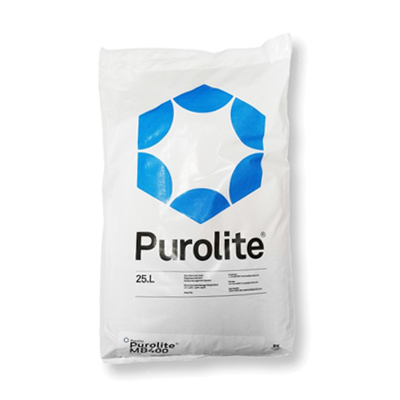
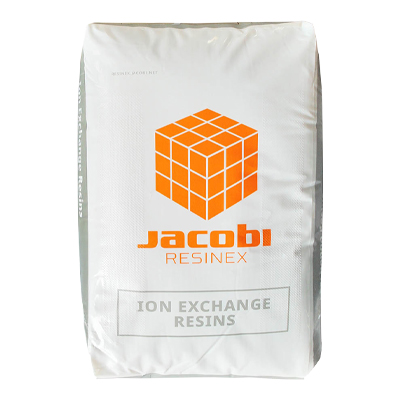
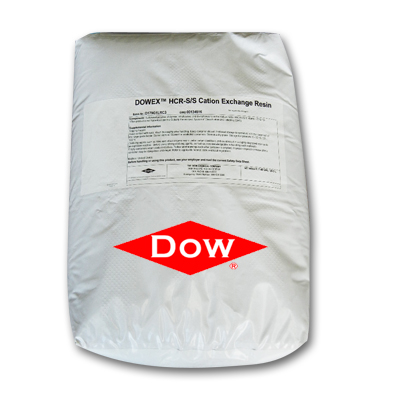
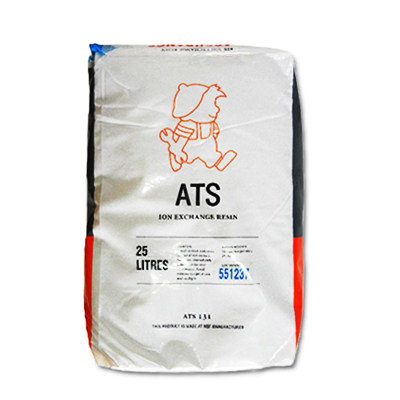
- Ion exchange resin
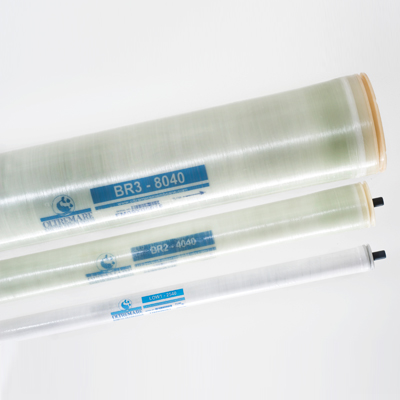
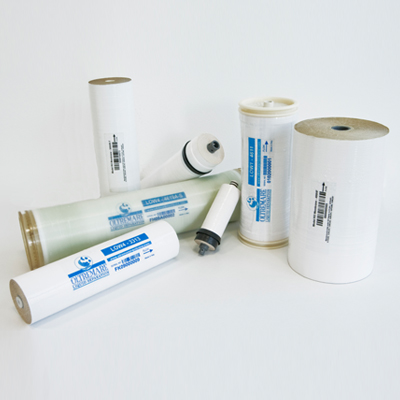
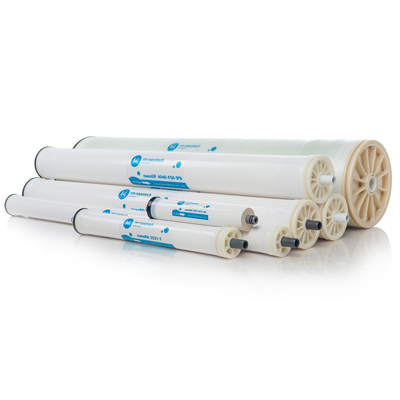
- reverse osmosis membrane tube
- quick filter
- Various tanks for water treatment
- Various application filter media
- 美國 Clack Clark control valve
- 美國 Fleck Control Valve
- 美國 Pentair Control Valve
- 美國 Autotrol Control Valve
- Runxin Control Valve
- Injection treatment
- Technology Development Department
-
brand
- Demo brand
- US DOW
- IDEX USA
- US CLACK
- EMERSON, USA
- American PENTAIR
- SIEMENS Germany
- American PULSAFEEDER
- Denmark DANFOSS
- Thailand HAYCARB
- France SUNTEC
- UK PUROLITE
- Japanese NOP
- Japan OLYMPIA
- Japan KATSURA
- BRAHMA, Italy
- SAGINOMIYA
- HONEYWELL
- AZBIL (YAMATAKE)
- OLTREMARE
- NIPCON
- TROCHOID
- domestic
- EGO
- KATO
- LECIP
- ATS
- JACOBI
- ETATRON
- WAVE CYBER
- BOSCHINI
- NIPPON
- WL
- CASH ACME
- YAZAKI
- RUNXIN
- About | Contact
Ozone water treatment technology
Technical explanation
What is ozone?
Ozone is a gas. Ozone is a chemical molecule composed of three oxygen atoms. The chemical formula is usually represented by 03.
How is ozone produced?
In the atmosphere, oxygen (two atoms) can be converted into ozone (three atoms) by the action of lightning. Some devices (eg ozone generators) use high pressure (note: corona effect) to convert oxygen into ozone by adding additional oxygen atoms. Also note that ozone does not chemically interact with chlorine. There are other devices on the market, such as using UV (ultraviolet) systems to generate ozone, but UV systems are not as efficient as using high voltage generators to generate ozone. Ozone water is the most powerful oxidant in water treatment technology and can be used for disinfection, especially in the food and beverage industry. It is an environmentally conscious water treatment technology that is classified as GRAS (Generally Recognized as Safe) by the 美國FDA Food and Drug Administration.
Does ozone affect the taste of water?
If the technique is used correctly, no. Proper dose verification is essential for a successful design of ozone water treatment, such as the following examples:
Polycarbonate container:
• When the ozone level in the water exceeds 0.5 ppm, the water will have a taste problem (ozone will work with polycarbonate)
• When ozone in water is less than 0.2 ppm, the effect of ozone disinfection will disappear
PET container:
• When ozone in water is higher than 0.2 ppm, water will have taste problems
Ozone production technology:
• Discharge between two charged electrodes anywhere air or oxygen is present.
• The air or oxygen must be free of oil and gas, free of oil particles, and must remove moisture to -4.5ºC or lower.
• The ozone concentration produced under such conditions can reach 1-5% by weight.
Ozone is a powerful oxidant. The characteristics of ozone and the technologies used are as follows:
Commercial Concentration: 1-5%
Half-life at room temperature: 14 hours in air, 20 minutes in water
Bactericidal effect: 3125x chlorine
Dosage suitable for injection into pure water: 2-3PPM
Applicable equipment materials: stainless steel, Teflon polyethylene, rubber can not be used
Conductivity of ozone and water:
1.)Organic + Ozone
Intermediate compound
carbon dioxide + water = increase the conductivity of water
2.) In addition, the presence of impurities in the air (the air used to produce ozone) will also increase the conductivity of the water.
 繁體中文
繁體中文  English
  日本語
日本語