
PRODUCT INFORMATION
Pure water membrane scaling (repair) technology
- front page
- product
- Water Treatment Technology
- Technology Development Department
- Pure water membrane scaling (repair) technology
Product Information
- heat treatment
-
water treatment
- Arsenic remover
- Desulfurizer
- Deaerator
- Water softener (calcium and magnesium ion removal)
- Carbon filter (removes odor and residual chlorine)
- Sand filter (removal of suspended impurities)
- Iron remover (removal of iron and manganese ions)
- RO water purifier
- Pre-backwash filter
- UV ultraviolet sterilizer
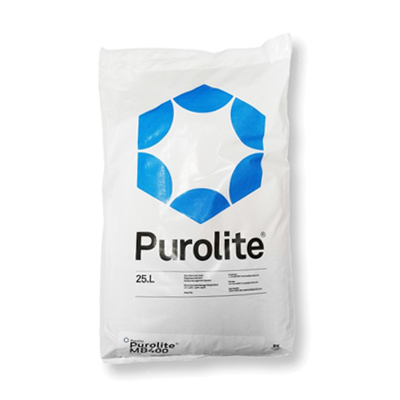
- Ion exchange resin
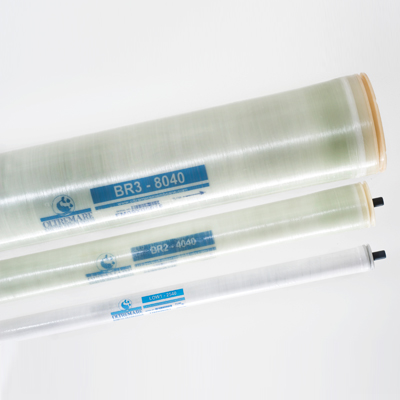
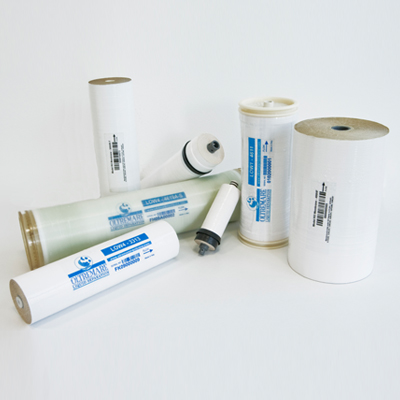
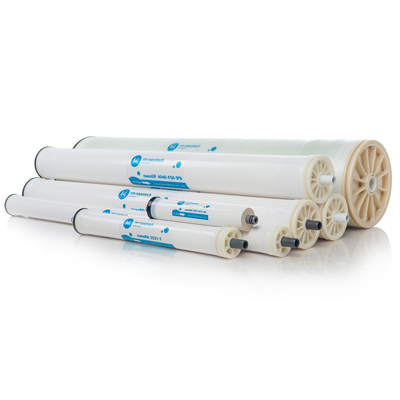
- reverse osmosis membrane tube
- quick filter
- Various tanks for water treatment
- Various application filter media
- 美國 Clack Clark control valve
- 美國 Fleck Control Valve
- 美國 Pentair Control Valve
- 美國 Autotrol Control Valve
- Runxin Control Valve
- Injection treatment
- Technology Development Department
-
brand
- Demo brand
- US DOW
- IDEX USA
- US CLACK
- EMERSON, USA
- American PENTAIR
- SIEMENS Germany
- American PULSAFEEDER
- Denmark DANFOSS
- Thailand HAYCARB
- France SUNTEC
- UK PUROLITE
- Japanese NOP
- Japan OLYMPIA
- Japan KATSURA
- BRAHMA, Italy
- SAGINOMIYA
- HONEYWELL
- AZBIL (YAMATAKE)
- OLTREMARE
- NIPCON
- TROCHOID
- domestic
- EGO
- KATO
- LECIP
- ATS
- JACOBI
- ETATRON
- WAVE CYBER
- BOSCHINI
- NIPPON
- WL
- CASH ACME
- YAZAKI
- RUNXIN
- About | Contact
Pure water membrane scaling (repair) technology
Technical explanation
Technology to remove and clean filter membrane fouling:
1.) Check and replace the pretreatment equipment (fouling of the filter membrane may be caused by lack of pretreatment or equipment failure). Some common examples are given below, please check and repair these devices as needed:
•Activated carbon powdering
•Water hardness increases (ion exchange resin needs to be replaced)
•Pre-treatment membrane cracking
•The pore size of the pretreatment filter membrane is too coarse
•Mechanical damage inside the pump
•Residual chlorine breakthrough and penetration
2.) Adjust equipment operating conditions (fouling can also be caused by improper system design and maintenance). Scaling can be minimized by implementing one or more of the following steps:
•Reduce recycling percentage
•Reduce system working pressure
•Pre-treatment equipment needs to be replaced more frequently
•Regularly disinfect the system
The concentration of all impurities (dissolved and suspended) in the incoming water will be highest near the filter surface. When the osmotic force passes through the filter membrane and becomes pure water, all impurities remain near the membrane surface. The water layer next to the membrane surface (boundary layer) becomes more and more concentrated (dissolved and suspended impurities). These concentrations reach a certain stable concentration, which is determined by the water inlet rate, membrane recovery percentage and membrane permeate flux (gallons of permeate per square foot per day).
Be sure to follow the membrane manufacturer's recommendations for minimum inlet water flow, maximum membrane recovery percentage, and maximum membrane flux. These recommendations are based on the size and quality of the membrane being used to treat the water supply. The concentration of dissolved and suspended solids in the boundary layer controls filter membrane performance. Higher concentrations mean higher osmotic pressure, a higher tendency for suspended solids to solidify and coat the membrane surface, and a higher likelihood of scaling occurring. Maintaining correct membrane operating conditions is a key preventive measure to reduce membrane fouling.
 繁體中文
繁體中文  English
  日本語
日本語