
PRODUCT INFORMATION
What is the role of oxygen in water?
- front page
- product
- Water Treatment Technology
- Technology Development Department
- What is the role of oxygen in water?
Product Information
- heat treatment
-
water treatment
- Deaerator
- Desulfurizer
- Arsenic remover
- Water softener (calcium and magnesium ion removal)
- Carbon filter (removes odor and residual chlorine)
- Sand filter (removal of suspended impurities)
- Iron remover (removal of iron and manganese ions)
- RO water purifier
- Pre-backwash filter
- UV ultraviolet sterilizer
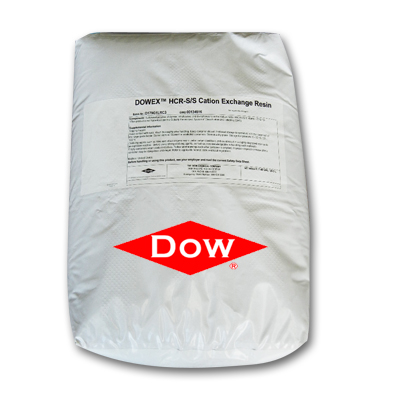
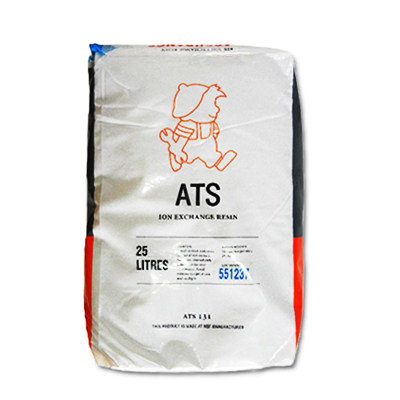
- Ion exchange resin
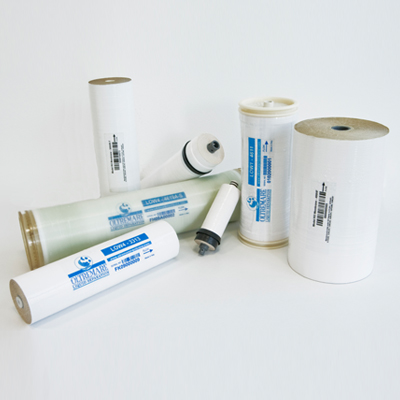
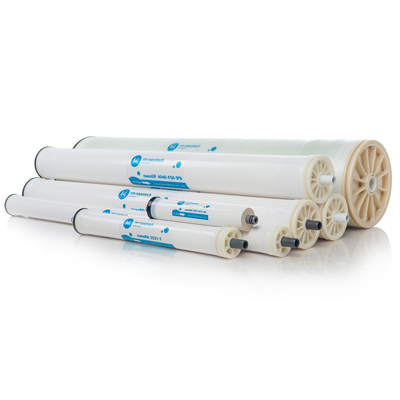
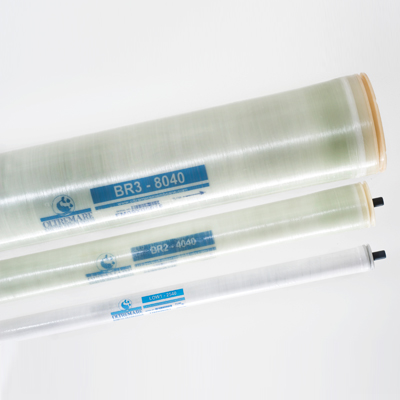
- reverse osmosis membrane tube
- quick filter
- Various tanks for water treatment
- Various application filter media
- 美國 Clack Clark control valve
- 美國 Fleck Control Valve
- 美國 Pentair Control Valve
- 美國 Autotrol Control Valve
- Runxin Control Valve
- Injection treatment
- Technology Development Department
-
brand
- Qin Sen
- 義大利 ATLAS
- 日本 TOHKEMY
- 義大利AQUA
- US DOW
- IDEX USA
- US CLACK
- EMERSON, USA
- American PENTAIR
- SIEMENS Germany
- American PULSAFEEDER
- Denmark DANFOSS
- Thailand HAYCARB
- France SUNTEC
- UK PUROLITE
- Japanese NOP
- Japan OLYMPIA
- Japan KATSURA
- BRAHMA, Italy
- SAGINOMIYA
- HONEYWELL
- AZBIL (YAMATAKE)
- OLTREMARE
- NIPCON
- TROCHOID
- domestic
- EGO
- KATO
- LECIP
- Taiwan ATS
- JACOBI
- ETATRON
- WAVE CYBER
- BOSCHINI
- NIPPON
- WL
- CASH ACME
- YAZAKI
- RUNXIN
- About | Contact
What is the role of oxygen in water?
Technical explanation
The role of oxygen in water: First, grasp the core concept; it is practically the "breathing and chemical switch" of water.
When we talk about "oxygen" in water, we are mostly referring to...Dissolved oxygen (DO)That is to sayIt truly dissolves in water, can be utilized by organisms, and also participates in chemical reactions.That portion of oxygen. It not only determines whether fish and shrimp can breathe, but also influences a host of oxidation/reduction reactions, thus affecting the water.Taste, color, corrosion, scalingIt even dictates "how to design" the treatment process. You can think of DO as a "chemical mode switch" for the aquatic environment.
(Further reading: USGS: Dissolved Oxygen and Water)
1) For the ecosystem: The "oxygen deposits" in the water are directly related to whether or not one can survive.
DO (Dissolved Organic Carbon) is often used as a water quality indicator because it directly reflects the ability of a body of water to support aquatic life. Looking at common approximate thresholds:
- DO < 5 mg/LMany fish began to show signs of stress (different species have different tolerance levels, but this is a commonly used warning line at the scene).
- DO < 3 mg/LIn most situations, the levels are too low, which is more detrimental to the survival of fish.
Don't forget that DO fluctuates between day and night: during the day, algal photosynthesis may raise DO; at night, biological respiration and decomposition of organic matter may lower DO. So at the same location, it may look beautiful during the day, but it may be a completely different world in the early morning.
2) Regarding chemical reactions: DO is the main knob for "oxidation-reduction," which will change the color, smell, and metallic state.
High DO levels usually indicate a more remote environment.Oxidizing propertiesWith low DO, the system is more prone to...ReducibilityThe differences often manifest in these phenomena:
- When hypoxia/hypoxiaIt tends to accumulate reducing substances more easily, and certain metals (such as iron and manganese) or sulfur-containing species may exist in different forms.
- Once oxygen is added or aeration is performedIt may also oxidize rapidly, form precipitates, or produce an unpleasant odor, resulting in dramatic changes such as "sudden color change, sudden increase in turbidity, and sudden appearance of an unpleasant smell."
A common intuitive method on site isStirring, aeration, and increasing water-air contact— Essentially, it's all about adjusting the DO knob.
3) Water treatment: DO (Dissolved Oxygen) can be a great ally, or a troublemaker.
A) When you want to "oxidize": DO is the tool.
Practices such as aeration and contact oxidation essentially increase the participation of oxygen, pushing certain substances into a form that is "easier to remove" (for example, changing the dissolved state into a state that is easier to precipitate/filter).
B) When you don't want "corrosion": DO will instead be eliminated.
In boiler/steam systems, dissolved oxygen is often one of the core drivers of corrosion, so a deaerator is used to reduce DO to very low levels (the control of ppb level is often discussed on site).
(Further reading: Wikipedia: Deaerator, Water Technologies: Boiler Feedwater Deaeration)
4) The three external knobs that affect DO: temperature, salinity, and pressure (so don't just look at mg/L).
The same bucket of water,The colder the temperature, the more dissolved oxygen there is.The higher the salinity, the more limited the dissolved oxygen capacity is usually; pressure also affects the dissolved oxygen saturation value.
Therefore, in many situations, it's not just about looking at... mg/LThey will also watch together % Saturation(Or include temperature, salinity, and pressure together) - otherwise you might misinterpret "normal seasonal changes" as "a sudden deterioration in water quality".
A table summarizing the four roles of dissolved oxygen (DO) in water.
| Characters (including links) | What is it doing (in plain language)? | What might happen if DO is too high? | What might happen if DO is too low? |
|---|---|---|---|
| Dissolved oxygen (DO) | The amount of "usable oxygen" in the water; organisms rely on it for respiration, and it is often used as a water quality indicator. | In some systems, oxidation may accelerate side effects (such as corrosion, certain byproduct pathways). | Ecological stress makes systems more prone to hypoxia/anaerobic states. |
| Hypoxia | DO levels are so low that the ecosystem cannot withstand it, resembling "aquatic hypoxia". | — | Fish are under stress; common approximate reference: < 5 mg/L may indicate stress, < 3 mg/L is mostly too low and detrimental to survival. |
| Redox reaction | The state of many substances—whether they are in an "oxidized" or "reduced" state—influences their color, taste, and metallic form. | Promotes oxidation pathways (sometimes beneficial for removal, sometimes leading to side reactions). | Increased reducing power is commonly seen in fluctuations in color, odor, and metallic form. |
| Deaerator | In industry, DO (dosage) pressure is very low to protect boilers and pipelines. | — | (The goal here is actually) to reduce DO to decrease corrosion risk. |
Quickly find your place on the scene: Should you flip the "oxygen switch" up or down?
- Groundwater/well water (iron, manganese, color, odor)The common strategy is to "appropriately supplement oxygen + oxidize it into a removable form", combined with filtration or post-treatment.
- Water distribution network/storage tank (taste, red water, sediment)It depends on the material, residence time, and pipeline condition. Sometimes oxygen supplementation can improve the situation, while other times it can amplify the side effects of oxidation/corrosion.
- Boiler/steam/closed-loop system (corrosion is the first priority).The usual approach is to "find ways to reduce DO levels," combined with chemical and material management.
Want to turn DO (Distribution Operations) into a "controllable advantage"? Using the right valves and selecting the right control logic are crucial.
If you are planning to stabilize the overall water quality from water softening/filtration/pretreatment, it is recommended to incorporate the "DO target range" into the system design: the same aeration, mixing, and storage tank residence time may result in positive or negative effects depending on the scenario.




 繁體中文
繁體中文  English
  日本語
日本語