
PRODUCT INFORMATION
30 Common Questions About Groundwater: Taste, Color, Flavor, and Sedimentation (Super Practical Tip)
- front page
- product
- Water Treatment Technology
- Technology Development Department
- 30 Common Questions About Groundwater: Taste, Color, Flavor, and Sedimentation (Super Practical Tip)
Product Information
- heat treatment
-
water treatment
- Arsenic remover
- Desulfurizer
- Deaerator
- Water softener (calcium and magnesium ion removal)
- Carbon filter (removes odor and residual chlorine)
- Sand filter (removal of suspended impurities)
- Iron remover (removal of iron and manganese ions)
- RO water purifier
- Pre-backwash filter
- UV ultraviolet sterilizer
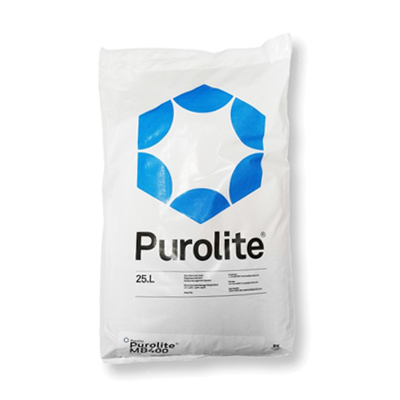
- Ion exchange resin
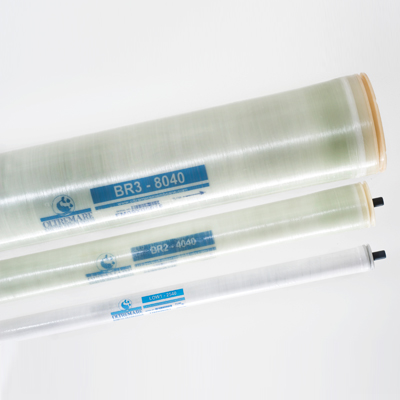
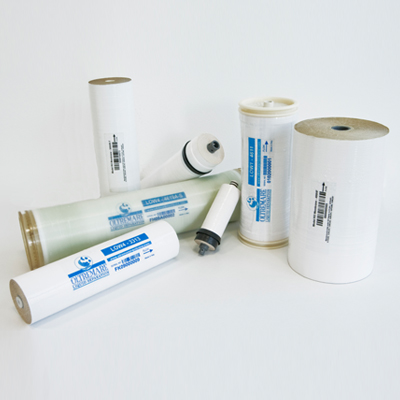
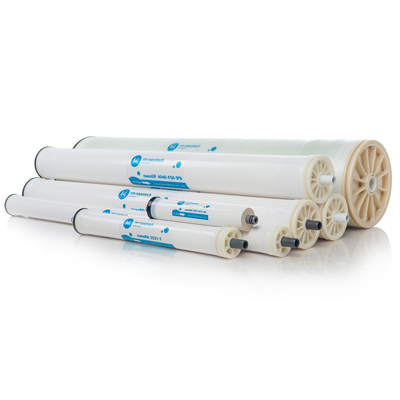
- reverse osmosis membrane tube
- quick filter
- Various tanks for water treatment
- Various application filter media
- 美國 Clack Clark control valve
- 美國 Fleck Control Valve
- 美國 Pentair Control Valve
- 美國 Autotrol Control Valve
- Runxin Control Valve
- Injection treatment
- Technology Development Department
-
brand
- Demo brand
- US DOW
- IDEX USA
- US CLACK
- EMERSON, USA
- American PENTAIR
- SIEMENS Germany
- American PULSAFEEDER
- Denmark DANFOSS
- Thailand HAYCARB
- France SUNTEC
- UK PUROLITE
- Japanese NOP
- Japan OLYMPIA
- Japan KATSURA
- BRAHMA, Italy
- SAGINOMIYA
- HONEYWELL
- AZBIL (YAMATAKE)
- OLTREMARE
- NIPCON
- TROCHOID
- domestic
- EGO
- KATO
- LECIP
- ATS
- JACOBI
- ETATRON
- WAVE CYBER
- BOSCHINI
- NIPPON
- WL
- CASH ACME
- YAZAKI
- RUNXIN
- About | Contact
30 Common Questions About Groundwater: Taste, Color, Flavor, and Sedimentation (Super Practical Tip)
Technical explanation
30 Common Questions About Groundwater: Taste, Color, Flavor, and Sedimentation (Super Practical Tip)
Want to quickly determine what's wrong with your groundwater? Below is a quick reference table outlining "Symptoms → Possible Causes → How to Test → How to Treat"; further down are plain-language answers to 30 of the most common questions. The entire article revolves around the keyword "groundwater," helping you understand the nuances of taste, color, flavor, and sediment.
| Symptoms (Click to see concept) | Possible reasons | Home rapid check | Potential risks | Common processing methods |
|---|---|---|---|---|
| Astringent/bitter taste | High TDS, excessive mineral salts | TDS measured by pen measurement > 500 mg/L | Poor taste and scale buildup | Reverse osmosis(RO), mixed bed discarded type, raw water dilution |
| Salty | Salting invasion, sodium chloride | Taste + High conductivity | High sodium intake | RO, source relocation, anti-seepage well seal |
| Rusty/Metallic taste | Ferrous iron, iron bacteria | It turns yellowish-brown and has a rusty smell when left to stand. | Pipe staining and scaling | Aeration oxidation + sand filtrationoxidation media,activated carbon |
| Dry/Stingy Throat | The pH is too low (acidic). | pH test strip < 6.5 | Corrosion pipeline | Neutralizing filter media (calcite), supplementary chemical dosing |
| Slippery | Soft water (calcium and magnesium removal) | Soap lathers easily | none | Ion exchange Water Softener |
| Yellowish-brown water | Iron, Tannin | A yellowish-brown precipitate forms after standing. | Dyeing, poor taste | Aeration oxidation + sand filtrationactivated carbon |
| Black/Grey Black Water | manganese | Black stains on the glass | Pipe fittings blackened | Catalytic oxidation filter media + filtration |
| blue-green stains | Copper pipe corroded | Blue-green stains appeared in the washbasin | Heavy metal exposure | Adjust pH and neutralize filter media |
| Cloudy/Milk Water | Dissolved air (microbubbles) | The water becomes clearer from bottom to top when left to stand. | none | Release, install gas release device |
| rotten egg smell | Hydrogen sulfide, anaerobic well section | Boiling water makes it more concentrated, and heating makes the difference more obvious. | Corrosive and has a bad taste | Aeration/air filling, oxidation filtrationactivated carbonchlorination |
| earthy/moldy smell | Geosmin, 2-MIB | Both hot and cold are available | Bad taste | Powdered activated carbon (PAC) addition, ozone |
| The chlorine smell is too strong. | Excessive residual chlorine in disinfection | Reagent test for high residual chlorine | Poor taste | Post-stage disposable activated carbon |
| Oil film/rainbow pattern | Oil pollution, surface infiltration | The rainbow pattern on the surface is not easy to dissipate | Chemical exposure | Source isolation, activated carbon + particulate filtration |
| Sand sedimentation | The well contains sand and has high turbidity. | A layer of sand was left to stand. | Pipe wear | Pre-filter housing, sand filter, and improved well configuration |
| White crystalline deposits | Calcium carbonate scaling | Water heaters are prone to scale buildup | Decreased energy efficiency | Soft water, acid washing maintenance |
| reddish-brown flocculent matter | Iron bacteria growth | The filter screen is sticky, reddish-brown, and gelatinous. | musty smell, blockage | Well disinfectionUV disinfectionchlorination |
Taste section
Q1. Why does groundwater taste "astringent" or "bitter"?
This is mostly due to high TDS (Total Dissolved Solids) or an imbalance in the mineral salt ratio. A TDS meter reading above 500 mg/L will easily cause a bitter taste. Treatment options include RO (Recirculating Aqueous Refrigerant) or source water mixing to reduce the concentration.
Q2. Groundwater tastes salty, does that mean it's not safe to drink?
It could be due to salinization invasion (near the sea, excessive extraction). Prioritize conductivity and chloride levels; if these remain high for an extended period, recommend RO (reverse osmosis) and assess well location and well sealing improvements.
Q3. What should I do if it tastes metallic?
Commonly found in this condition are ferrous or iron-containing bacteria. Let the water stand for 30 minutes to see if it turns yellowish-brown and forms sediment. Treatment with aerated oxidation + sand filtration or catalytic oxidation filter media will improve the taste.
Q4. Why does water taste harsh on the throat?
A pH level that is too acidic (<6.5) can cause a irritating sensation in the throat and corrode pipelines. Use pH test paper to measure the pH, and add neutralizing filter media (calcite, dolomite) if necessary.
Q5. Is it a bad thing that the groundwater is "slippery"?
Most of the time, calcium and magnesium are exchanged for sodium ions (soft water), which makes soap lather well and the water feel smooth, which is normal. However, if there are concerns about sodium intake, RO (reverse osmosis) can be added to the drinking water.
Q6. The water tastes a little sweet?
Low mineralization or the presence of small amounts of carbon dioxide and silicates contribute to a refreshing sweetness. First confirm microbial safety, then decide whether to proceed based on taste preferences.
Q7. Cold water tastes normal, but hot water tastes particularly bad?
Heating will amplify the smells of TDS, hydrogen sulfide, and residual chlorine. First, check the scale buildup in the water heater and the inner tank, and use activated carbon or soft water to reduce the impact.
Q8. Why does the water taste good in the morning but become bitter in the evening?
This is caused by changes in the pumping rate and the mixing ratio of the aquifer. TDS/pH can be monitored at different times, and the intake depth or pumping strategy can be adjusted as needed.
Color section
Q9. Groundwater is yellowish-brown when first opened, and will settle after being left for a long time?
Typical iron-containing molten metal. Iron oxidizes in the air to form precipitates. This can be improved by using aeration combined with sand filtration/catalytic oxidation filter media.
Q10. The water is dark gray, and there are black marks on the cup wall?
It's mostly manganese. Similar to iron, it can be treated with catalytic oxidation filter media (such as manganese dioxide coated media) + filtration.
Q11. Why does the white, misty liquid look like milk?
These are usually microbubbles. If they become clear from the bottom up after standing, they are harmless. Automatic venting or pressure reduction can be added to the system.
Q12. Occasionally, blue-green stains appear?
The copper pipes were corroded by acidic water. Adjust the pH to neutral to slightly alkaline, or add neutralizing filter media at the source.
Q13. It's transparent but looks "sparkly" with a slight floating effect?
Colloidal iron/manganese or diatomaceous earth. A coagulant (PAC) can be added before filtration, or ultrafiltration (UF) can be used.
Q14. Why do clothes turn yellow after washing and bathtubs often get stained?
Groundwater with high iron/tannin content is common. Pre-treatment oxidation filtration combined with activated carbon significantly improves clothing safety.
Q15. Only the first section of water shows color, and then it's normal?
Stagnant water inside the pipe oxidizes deposits. Regularly flush the pipe, drain the first stage of water, and check if the filter media needs backwashing or replacement.
Q16. Transparent groundwater leaves white scratches after it dries?
That's calcium carbonate scale. A water softener or anti-scaling chemicals can effectively inhibit it, but hot-end equipment needs regular descaling.
Taste (Odor)
Q17. Where does the rotten egg smell come from?
Hydrogen sulfide or anaerobic conditions. More noticeable with boiling water or heating. Removal can be achieved through aeration/aeration oxidation combined with activated carbon or chlorination.
Q18. Does it have an earthy/musty smell that lasts all year round?
Mostly Geosmin or 2-MIB. Powdered activated carbon (PAC) or a combination of ozone and activated carbon works well.
Q19. Does the groundwater smell like medicine or plastic?
It could be due to releases from new pipe materials or organic contamination. Try flushing for a few days first. If the problem persists, we recommend GC testing and increasing the use of disposable activated carbon.
Q20. What should I do if there is a strong chlorine smell?
Excessive residual chlorine in disinfectant. Reduce the dosage or add an activated carbon filter at the end.
Q21. Fishy smell/pond water smell?
Algal metabolites or biofilm growing inside the well. Inspect the wellbore, perform a one-time strong disinfection (shock chlorination), and then maintain with UV light.
Q22. It has a metallic smell but hasn't changed color?
Trace amounts of metal ions (copper, zinc) or low pH. Test the pH and metal levels to determine whether to use neutralizing or specialized filter media.
Q23. The flavor is inconsistent, how do I maintain it?
Create an "event log": record the time, water consumption, climate, TDS/pH/residual chlorine. Identify the correlation with pumping cycles or rainfall, and then adjust the treatment accordingly.
Sediment
Q24. Is there sand or mud at the bottom of the cup?
The well contains sand and has high turbidity. Add a high-flow-rate pre-filter housing (5–20 μm) + sand filter, and check whether the filter media backwashing is in place.
Q25. What are reddish-brown colloidal flocs?
Iron bacteria. They can cause sliminess and blockages. We recommend wellbore disinfection + chlorination/UV treatment, and increasing the frequency of pretreatment backwashing.
Q26. White powdery deposit?
Calcium carbonate (scale removal). Soft water or control of LSI index, regular maintenance of hot water equipment.
Q27. Sometimes the sediment appears and sometimes it doesn't?
This may be related to the pumping depth or rainfall. Try adjusting the pump depth, adding an automatic sand removal device, and strengthening filtration and backwashing after heavy rain.
Q28. Is precipitation accompanied by an oil film?
Signs of surface pollution. It is recommended to immediately stop using the well, take samples for testing, and use activated carbon + particulate filtration at the back end. The source needs to be addressed.
Q29. Why does the filter get clogged so easily?
The raw water load is too high or the filter element pore size is too small. Add sand filtration/multi-media filtration at the front end, or replace it with a backwashable system.
Q30. Why does the filter tank often "spit out black water"?
Incomplete backwashing with manganese media or activated carbon. Check backwash flow rate/time, adjust cycle, and replace filter media regularly.
Practical tips for stabilizing groundwater levels
- Measure first, then treat.: Most basic prior TDS, pH, iron, manganese, hardness, hydrogen sulfide, residual chlorine, turbidity, colorData can save you a lot of money by avoiding unnecessary detours.
- Perform point samplingTake one bottle each from the wellhead, the pre-processing stage, and the end stage, and find out at which stage the taste/color changes.
- Write a "water usage log".Write down the "time, weather, pumping volume, data, and sensory information," and you can usually see the pattern within one or two weeks.
- Equipment maintenanceBackwashing/regeneration/filter replacement should be performed according to the schedule; regular descaling of water heaters and pipelines will make a big difference in taste.
- Safety firstIf there are concerns about chemical contamination (oil stains, solvents, pesticide smell), please stop drinking it and send it to a third-party laboratory for testing.
 繁體中文
繁體中文  English
  日本語
日本語