
PRODUCT INFORMATION
Impact of iron and manganese-containing groundwater on industrial processes (dyeing, quality)
- front page
- product
- Water Treatment Technology
- Technology Development Department
- Impact of iron and manganese-containing groundwater on industrial processes (dyeing, quality)
Product Information
- heat treatment
-
water treatment
- Arsenic remover
- Desulfurizer
- Deaerator
- Water softener (calcium and magnesium ion removal)
- Carbon filter (removes odor and residual chlorine)
- Sand filter (removal of suspended impurities)
- Iron remover (removal of iron and manganese ions)
- RO water purifier
- Pre-backwash filter
- UV ultraviolet sterilizer
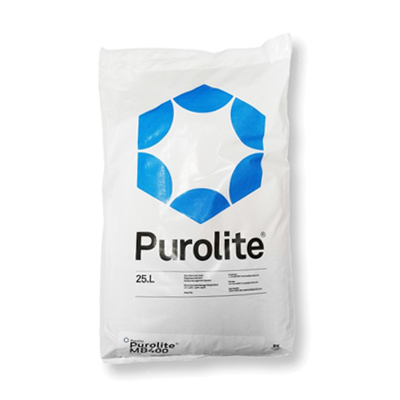
- Ion exchange resin
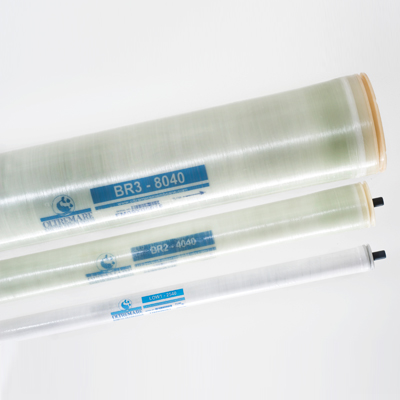
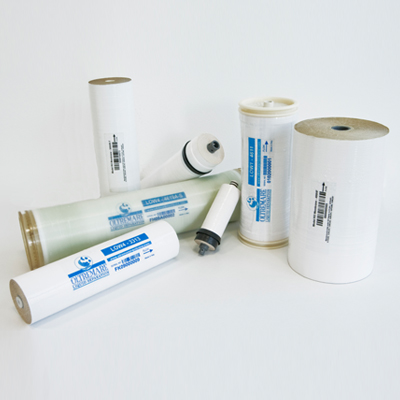
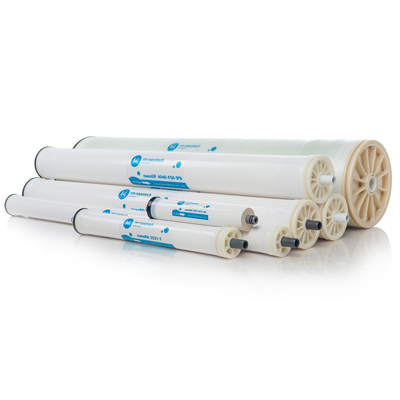
- reverse osmosis membrane tube
- quick filter
- Various tanks for water treatment
- Various application filter media
- 美國 Clack Clark control valve
- 美國 Fleck Control Valve
- 美國 Pentair Control Valve
- 美國 Autotrol Control Valve
- Runxin Control Valve
- Injection treatment
- Technology Development Department
-
brand
- Demo brand
- US DOW
- IDEX USA
- US CLACK
- EMERSON, USA
- American PENTAIR
- SIEMENS Germany
- American PULSAFEEDER
- Denmark DANFOSS
- Thailand HAYCARB
- France SUNTEC
- UK PUROLITE
- Japanese NOP
- Japan OLYMPIA
- Japan KATSURA
- BRAHMA, Italy
- SAGINOMIYA
- HONEYWELL
- AZBIL (YAMATAKE)
- OLTREMARE
- NIPCON
- TROCHOID
- domestic
- EGO
- KATO
- LECIP
- ATS
- JACOBI
- ETATRON
- WAVE CYBER
- BOSCHINI
- NIPPON
- WL
- CASH ACME
- YAZAKI
- RUNXIN
- About | Contact
Impact of iron and manganese-containing groundwater on industrial processes (dyeing, quality)
Technical explanation
Impact of iron and manganese-containing groundwater on industrial processes (dyeing, quality)
In industrial processes, excessive iron and manganese in groundwater can significantly impact dyeing results and product quality. Fabrics can develop rust, discoloration, and color unevenness, reducing the quality of the finished product while also increasing equipment energy consumption and maintenance costs.
Effect of Iron and Manganese-Containing Groundwater on Dyeing
- Rust and stains: Cotton cloth is prone to rust and yellowing during the dyeing process due to the presence of iron and manganese ions.
- Dull color: When dyeing nylon with acid dyes, if the water is hard, the color will appear unclear.
- Equipment scaling: High concentrations of iron and manganese will deposit in printing and dyeing equipment, making cleaning difficult and increasing energy consumption.
- Uneven quality: Sediments will remain on the surface of fiber products, and in serious cases a large amount of fabric will need to be scrapped.
Impact on quality
- Light-colored or white fabrics are most likely to develop spots due to iron and manganese, which can affect their appearance.
- During the dyeing process, the yarn absorbs suspended matter, resulting in poor color and increased defective rate.
- Scaling of heat exchange and cooling equipment reduces energy efficiency and production capacity.
Methods to solve the problem of groundwater containing iron and manganese
- Oxidation treatment: For example, use potassium permanganate or aeration to oxidize and precipitate iron and manganese.
- chelating agents: Stabilize iron and manganese ions, avoid precipitation formation, and maintain dyeing stability.
- Filtration equipment: Such as manganese sand, activated carbon or reverse osmosis system to improve water purity.
Industry standard recommended values
| parameter | Standard value (mg/L) |
|---|---|
| Iron (Fe) | < 0.3 |
| Manganese (Mn) | < 0.05 |
As long as the iron and manganese concentrations are controlled within the standard range, the quality and efficiency of industrial dyeing can be guaranteed.
Equipment scaling caused by iron-manganese water and its prevention methods
Iron and manganese ions easily deposit in pipes and equipment, causing blockage, corrosion and bacterial growth.
Main impact:
- Pipeline blockage → flow rate drop or even shutdown.
- Equipment corrosion → Shortened life of boilers and cooling towers.
- Biofilm formation → Bacteria multiply and affect product quality.
Prevention methods:
- Chelating agent dosing → stabilizes ions and prevents scaling.
- Aeration + sand filtration → Oxidize iron and manganese, then settle and filter.
- Reverse osmosis combined with pretreatment → prevents membrane fouling.
- Regular pipe maintenance → Reduces sediment and bacterial accumulation.
The most effective pretreatment combination for iron and manganese-containing water
The best solution is usuallyOxidation + Filtration」:
- Physical oxidation + manganese sand filtration → Low cost, suitable for medium and low concentration iron and manganese water.
- Chemical oxidation + multi-layer filter material → Efficiently treat high-concentration water.
- Multi-stage combination → Aeration + chemical oxidation + sand filtration + activated carbon to comprehensively treat impurities and odors.
- RO system reinforcement → Suitable for high-standard production or drinking needs.
Conclusion
Iron and manganese-laden groundwater can significantly impact industrial dyeing and equipment operations, causing degradation in quality and increased energy consumption—a significant problem that cannot be ignored. By implementing a tailored "oxidation + filtration" treatment combination, combined with chelating agents and regular maintenance, production stability and product quality can be effectively maintained.
 繁體中文
繁體中文  English
  日本語
日本語