
PRODUCT INFORMATION
Groundwater that "looks clear" is actually the most worrying source of concern.
- front page
- product
- Water Treatment Technology
- Technology Development Department
- Groundwater that "looks clear" is actually the most worrying source of concern.
Product Information
- heat treatment
-
water treatment
- Arsenic remover
- Desulfurizer
- Deaerator
- Water softener (calcium and magnesium ion removal)
- Carbon filter (removes odor and residual chlorine)
- Sand filter (removal of suspended impurities)
- Iron remover (removal of iron and manganese ions)
- RO water purifier
- Pre-backwash filter
- UV ultraviolet sterilizer
- Ion exchange resin
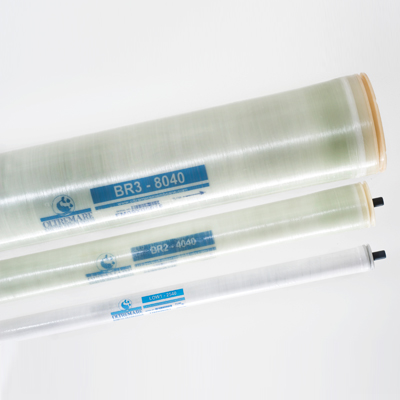
- reverse osmosis membrane tube
- quick filter
- Various tanks for water treatment
- Various application filter media
- 美國 Clack Clark control valve
- 美國 Fleck Control Valve
- 美國 Pentair Control Valve
- 美國 Autotrol Control Valve
- Runxin Control Valve
- Injection treatment
- Technology Development Department
-
brand
- Demo brand
- US DOW
- IDEX USA
- US CLACK
- EMERSON, USA
- American PENTAIR
- SIEMENS Germany
- American PULSAFEEDER
- Denmark DANFOSS
- Thailand HAYCARB
- France SUNTEC
- UK PUROLITE
- Japanese NOP
- Japan OLYMPIA
- Japan KATSURA
- BRAHMA, Italy
- SAGINOMIYA
- HONEYWELL
- AZBIL (YAMATAKE)
- OLTREMARE
- NIPCON
- TROCHOID
- domestic
- EGO
- KATO
- LECIP
- ATS
- JACOBI
- ETATRON
- WAVE CYBER
- BOSCHINI
- NIPPON
- WL
- CASH ACME
- YAZAKI
- RUNXIN
- About | Contact
Groundwater that "looks clear" is actually the most worrying source of concern.
Technical explanation
Groundwater that "looks clear" is actually the most worrying source of concern.
Many people's intuition about groundwater is: "It looks clear, colorless, and doesn't smell strange, so it must be safe, right?"
Unfortunately, this is precisely whyHidden problems of groundwaterThe most terrifying thing—the things that truly harm the body—is mostly...You can't see it, smell it, or taste it..
Groundwater seeps down from the surface, carrying away soil, pesticides, chemicals, sewage, industrial emissions, and more along the way. What appears to be a clear, colorless glass of water may actually contain microorganisms, nitrates, heavy metals, or organic solvents – these are typical signs of contamination.Hidden problems of groundwater.
According to drinking water safety data published by the World Health Organization (WHO), the greatest microbial risks to drinking water mostly come from water sources contaminated by human or animal feces; seemingly clear groundwater may also carry this type of risk.
Four Categories of Hidden Groundwater Problems Invisible to the Naked Eye
1. Microbial contamination: E. coli doesn't just float to the surface to greet you.
The bacteria you can't see may come from:
- Livestock excrement, poultry farms
- Faulty or poorly designed septic tanks
- Surface water backflow during floods and torrential rains
This water contaminated with feces, once it seeps into groundwater, could cause...Total coliform bacteria, Escherichia coli, enteropathogenic bacteriaWait. The result of drinking it is very likely to be:
- Acute gastroenteritis, diarrhea, vomiting
- Children and the elderly are at greater risk of dehydration.
The question is:This water can also be clear and transparent.They won't warn you at all beforehand.
The US Environmental Protection Agency (EPA) recommends that privately owned groundwater wells be tested at least annually for total coliform bacteria, nitrates, total dissolved solids, and pH.
In other words, even the officials understand that the problem of hidden groundwater cannot be judged by the naked eye; it can only be determined through testing.
2. Chemical pollution: Colorless and odorless, but may slowly harm the body.
Many chemical pollutants,It has no color and no obvious smell.However, it is the main culprit behind the hidden problems of groundwater. Common examples include:
- NitrateSources include fertilizers, livestock wastewater, and septic tank leaks.
- ArsenicNatural leaching from geological formations, or emissions from mining and industry.
- heavy metalElements such as lead, mercury, cadmium, and manganese may originate from old pipelines or industrial pollution.
- Pesticides and volatile organic compounds (VOCs)Sources include agricultural spraying, industrial solvents, and underground oil tanks at gas stations.
For example, the EPA sets the regulatory limit for nitrates (as nitrogen) in drinking water at [missing information]. 10 mg/LExcessive intake of nitrates can impair the blood's ability to carry oxygen, potentially leading to "blue baby syndrome" in infants under six months of age, which can be severe and even fatal.
The WHO points out that long-term consumption of drinking water contaminated with high concentrations of arsenic is associated with skin lesions, skin cancer, lung cancer, bladder cancer, and cardiovascular diseases, and recommends a guideline value for arsenic in drinking water. 10 μg/L.
The key point is:
These waters with excessive concentrations,It still looks clearYou can't tell the difference with the naked eye.
3. Nature vs. Man-made: Hidden groundwater problems are not limited to industrial areas.
Many people think: "I live in a rural or mountainous area with no industry, so the groundwater should be very clean."
Things aren't that simple.
- Hidden problems with naturally sourced groundwater:
- Arsenic, fluorine, manganese, etc., may simply be due to their high content in the local geology.
- In some areas, natural rock formations contain high concentrations of heavy metals.
- Hidden problems of groundwater caused by human activities:
- Excessive application of nitrogen-containing fertilizers in agriculture → Nitrates seep into groundwater via rainwater.
- Poorly designed septic tanks in livestock farms or households → manure leakage
- Factory emissions and waste landfills → Organic solvents, heavy metals, and other chemicals
The WHO cited the arsenic contamination in Bangladesh as an example. The locals originally believed that "deep groundwater is safer than surface water," so they drilled a large number of wells for drinking water. Later, they discovered that the arsenic content in the groundwater was extremely high, leading to long-term and large-scale health hazards. It was described as one of the largest arsenic poisoning incidents in human history.
This case illustrates very directly:
Groundwater that "looks clean" may not actually be safe.
4. What the senses can perceive is only the tip of the iceberg.
Sometimes you will notice:
- The water has a rusty taste and is yellowish or reddish in color.
- It has a sulfurous and fishy smell.
- There's a lot of limescale, tea stains, and a hard, white substance on the bottom of the pot.
Although these are visible and odorable, they are oftenHardness, iron, manganese, sulfidesIssues such as...
But the real problem is:Even if it has no smell or color, it doesn't mean there are no hidden groundwater problems.Nitrates, arsenic, most microorganisms and organic pollutants are very inconspicuous to the naked eye and taste.
A list of common hidden groundwater problems (with official information links)
The table below lists several representative hidden pollutants in groundwater for future reference when communicating or researching:
Pollutants (including official information link)
Main source examples
Summary of Potential Health Risks
Nitrate
Fertilizer application, livestock wastewater, septic tank leakage
Blue baby syndrome affects the blood's oxygen-carrying capacity and also poses risks to pregnant women and certain groups.
Arsenic
Natural leaching from strata, mining and industrial wastewater
Chronic health problems such as skin lesions, skin/lung/bladder cancer, cardiovascular disease, and diabetes.
Total coliform bacteria
Fecal contamination, animal excrement, surface water intrusion
Acute gastroenteritis, diarrhea, vomiting, and other intestinal infections
Volatile organic compounds (VOC)
Industrial solvents, underground oil tanks at gas stations, chemical spills
Depending on the individual chemical substance, it may be associated with neurotoxicity, liver and kidney damage, and carcinogenic risk.
These are all typicalHidden problems of groundwaterTheir common characteristics are:It may not be visible from the outside; professional inspection is required for confirmation.
How do you know if your groundwater is safe? Don't guess, let testing tell you.
If your home, factory, or farm uses groundwater (your own well, water tower, groundwater pumping system, etc.) and you want to know if you have encountered any hidden groundwater problems, you can think of the process as three steps.
Step 1: First, figure out "where the water comes from".
Ask yourself a few questions first:
- Approximately how deep is the well? Is it a shallow or deep well?
- What's within 500 meters to 1 kilometer?
- Farmland, livestock farms?
- Industrial zone, electroplating plant, chemical plant?
- Old landfill sites, soil-contaminated sites?
- Household or community septic tank?
The more "busy" the location, the higher the risk of hidden groundwater problems, and the more comprehensive the testing items should be.
Step 2: Establish a "Basic Health Checkup Program"
You can treat groundwater like the health of your family, and have a routine check-up every year.
According to the EPA's recommendations, privately owned groundwater wells should at least be inspected for:
- Total Escherichia coli and Escherichia coli(Microbial safety)
- Nitrate/Nitrite(Especially for families with infants and young children)
- Total dissolved solids (TDS), pH(Understanding the basic water quality conditions)
- If there are industrial or agricultural activities nearby, additional testing can be done for heavy metals, pesticides, and VOCs.
in the case ofWater supply for factories or buildingsIt is recommended to increase the frequency of inspections and keep complete records in order to track trends and deal with any abnormalities as early as possible to prevent them from escalating into more serious hidden groundwater problems.
Step 3: Don't just ignore the test report if you don't understand it; learn a few key figures.
You don't need to become a water quality expert, but you can focus on a few key points:
- Is the nitrate level (as nitrogen) close to or above the limit? 10 mg/L(This is a standard value used for drinking water in many countries.)
- Is the arsenic level lower than 10 μg/L What is the guiding value?
- Did E. coli or total E. coli test positive? (The general principle is "not detectable")
If there are items in the report that you don't understand at all, the simplest approach is:
- Send the report to the lab and ask them to explain it in plain language.
- Alternatively, consult a manufacturer or consultant familiar with water treatment and ask them to provide a risk assessment and improvement recommendations based on your household's water conditions.
What to do if you discover hidden groundwater problems? The approach can be simply divided into two parts.
1. Reduce risks at the source
If it can be addressed at the source, don't rely solely on equipment to cope.
- Adjusting the location and design of septic tanks can reduce the chance of leakage.
- Coordinate with neighboring farmers or farms to improve fertilizer and manure management practices.
- Check for any illegal discharges or suspected pollution sources in the vicinity, and report to the relevant authorities if necessary.
- If the area itself has high arsenic or high-hardness geology, consider switching to tap water or surface water systems.
If the risks at the source are reduced, there will be more "room" for downstream water treatment to deal with hidden groundwater problems.
2. Use appropriate water treatment technologies to transform the intangible into the controllable.
Different types of hidden groundwater problems require different treatment methods, for example:
- Microbial contamination → Disinfection (e.g., chlorination, ultraviolet light), with filtration if necessary.
- Nitrate → Ion exchange, reverse osmosis (RO)
- Arsenic, heavy metals → Special resins, adsorption filter media, reverse osmosis or composite treatment
- Organic solvents, odors → Activated carbon combined with other treatments
There are three key points:
- Inspect before selecting equipmentBuying equipment without knowing the problem is like taking a bunch of medicine without seeing a doctor.
- Understandable numbers are more important than brand.No matter how famous the equipment is, if it cannot actually control the hidden groundwater problem within a safe range, its effectiveness will be limited.
- Regular maintenance and trackingFilter replacement, resin regeneration, and equipment maintenance are all key to ensuring that the equipment is still effective today.
In summary: the clarity is merely a "filter effect" on the groundwater.
If I had to remember this article in one sentence, it would be:
"Looking clear" does not mean it is safe; only test data can tell if groundwater is a hidden problem.
- Groundwater can simultaneouslyVery clear, yet very dangerous
- Problems such as microorganisms, nitrates, arsenic, heavy metals, and VOCs are mostly...Cannot be seen or smelled
- To truly use groundwater with peace of mind, one must:
- Periodic inspection
- Understanding basic risk indicators
- Plan appropriate water treatment and maintenance systems
The next time you see a glass of groundwater that looks like it's from a mineral water commercial, you might want to ask yourself this question:
This glass of water, besides "looking very clear",
Is there any test data to prove that it is really safe?
This is the most responsible and practical statement when facing the hidden problem of groundwater.



 繁體中文
繁體中文  English
  日本語
日本語