
PRODUCT INFORMATION
Pure water membrane system (design) technology
- front page
- product
- Water Treatment Technology
- Technology Development Department
- Pure water membrane system (design) technology
Product Information
- heat treatment
-
water treatment
- Arsenic remover
- Desulfurizer
- Deaerator
- Water softener (calcium and magnesium ion removal)
- Carbon filter (removes odor and residual chlorine)
- Sand filter (removal of suspended impurities)
- Iron remover (removal of iron and manganese ions)
- RO water purifier
- Pre-backwash filter
- UV ultraviolet sterilizer
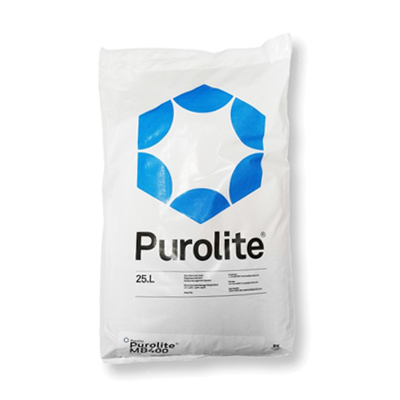
- Ion exchange resin
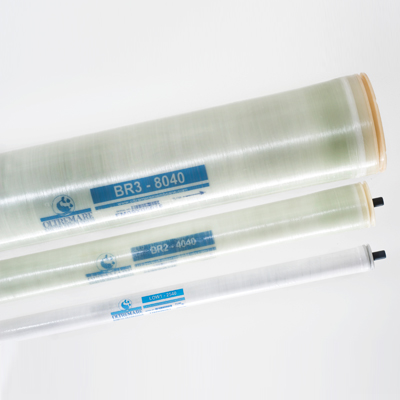
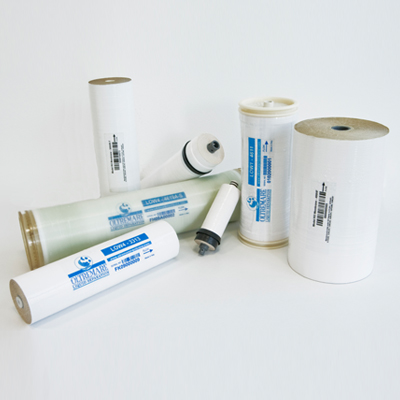
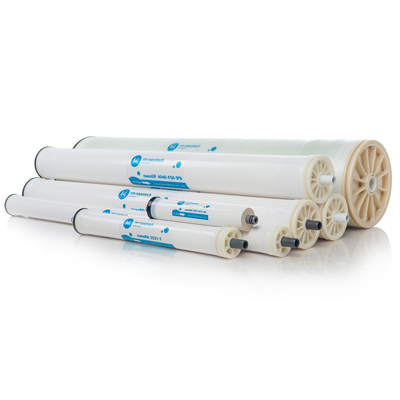
- reverse osmosis membrane tube
- quick filter
- Various tanks for water treatment
- Various application filter media
- 美國 Clack Clark control valve
- 美國 Fleck Control Valve
- 美國 Pentair Control Valve
- 美國 Autotrol Control Valve
- Runxin Control Valve
- Injection treatment
- Technology Development Department
-
brand
- Demo brand
- US DOW
- IDEX USA
- US CLACK
- EMERSON, USA
- American PENTAIR
- SIEMENS Germany
- American PULSAFEEDER
- Denmark DANFOSS
- Thailand HAYCARB
- France SUNTEC
- UK PUROLITE
- Japanese NOP
- Japan OLYMPIA
- Japan KATSURA
- BRAHMA, Italy
- SAGINOMIYA
- HONEYWELL
- AZBIL (YAMATAKE)
- OLTREMARE
- NIPCON
- TROCHOID
- domestic
- EGO
- KATO
- LECIP
- ATS
- JACOBI
- ETATRON
- WAVE CYBER
- BOSCHINI
- NIPPON
- WL
- CASH ACME
- YAZAKI
- RUNXIN
- About | Contact
Pure water membrane system (design) technology
Technical explanation
Can the reverse osmosis filter remove lead and arsenic? What is the rejection rate?
Regarding the rejection rates of these heavy metals, no manufacturer has produced a rejection rate list, but we can provide you with some guidelines. However, we still recommend that you run the test under the unique conditions of the site and the ion/counter-ion pretreatment equipment matched to the site. In our experience, the rejection rate of lead by reverse osmosis filter membrane is quite high. We have tested it as high as >99%. The rejection rate of arsenic depends on its oxidation state. The rejection rate at arsenic pH +3 in neutral solution is not very good, about 70% to 90%, but arsenic can be completely rejected at pH close to or exceeding pKa 9.2. Our on-site observation is that arsenic acid (pH+5) can be well rejected in neutral solution.
refuse.
How to remove silica from water?
There is no easy way. The traditional method is to use lime soda for silicate softening, but this technology is very expensive. Therefore, reverse osmosis systems are not designed to attempt to remove silica before the membrane. Instead, adjustments are made in the design recovery percentage and other working conditions to prevent over-saturation of silica and precipitation on the filter membrane.
How to remove ketamine (Choloramines) from water?
The only two options for removing chloramines are: (1) chlorination and (2) catalytic activated carbon beds.
Is there any water treatment technology that can maintain the TDS of the water supply but remove the content of other divalent ions such as Ca, Mg, SO4?
Our experience is that the most suitable technical approach is Nano Membranes. This technology can remove a small amount of TDS (about 50%), but removes most of Ca, Mg, SO4 (99%).
FAQ:
RO flux readings (flux) may be affected by temperature, pressure, flow rate, etc. However, the biggest factor is the seasonal temperature of the water. Are there any studies or are there any verification methods that can obtain true flux readings when only seasonal temperature changes are taken into account?
reply:
Water has viscosity. When the temperature is high, the viscosity of water will decrease and more water can pass through the filter membrane. At lower temperatures, the viscosity increases, so less water passes through the filter membrane. This will cause you to notice a change in flux across the filter membrane. Through actual measurements, tables showing the effect of temperature are usually available for each membrane module. Please refer to the temperature calibration table on our website for more information.
 繁體中文
繁體中文  English
  日本語
日本語