
PRODUCT INFORMATION
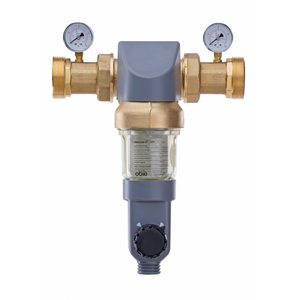
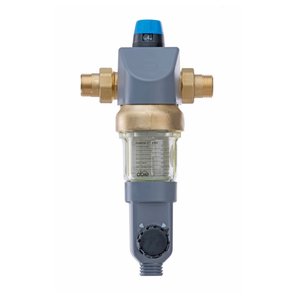
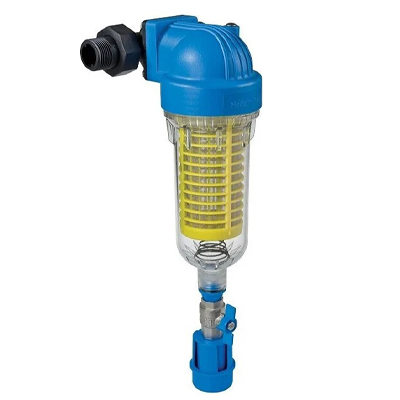
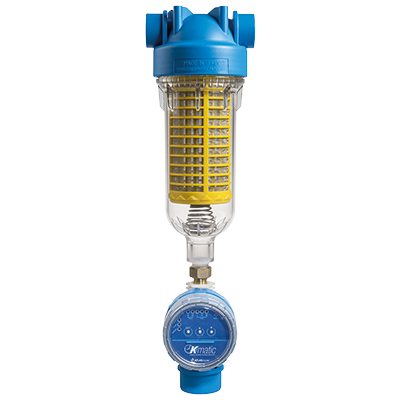
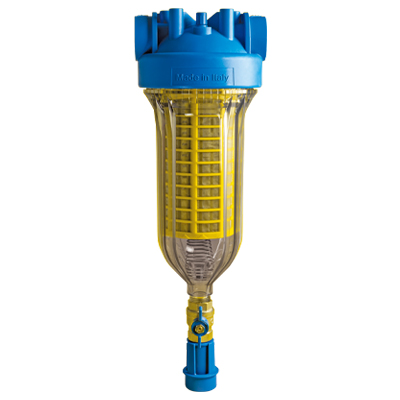
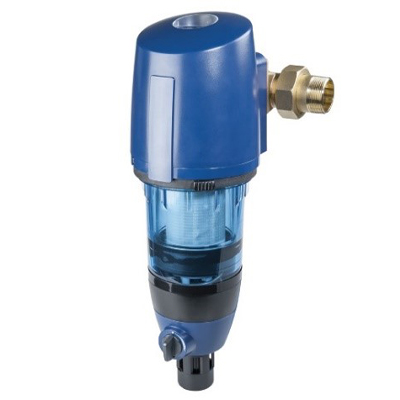
Pre-filter/impurity filter (backwash type, 德國Judo original, 3″ fully automatic)
- front page
- product
- water treatment
- Pre-backwash filter
- Pre-filter/impurity filter (backwash type, 德國Judo original, 3″ fully automatic)
Product Information
- heat treatment
-
water treatment
- Arsenic remover
- Desulfurizer
- Deaerator
- Water softener (calcium and magnesium ion removal)
- Carbon filter (removes odor and residual chlorine)
- Sand filter (removal of suspended impurities)
- Iron remover (removal of iron and manganese ions)
- RO water purifier
- Pre-backwash filter
- UV ultraviolet sterilizer
- Ion exchange resin
- reverse osmosis membrane tube
- quick filter
- Various tanks for water treatment
- Various application filter media
- 美國 Clack Clark control valve
- 美國 Fleck Control Valve
- 美國 Pentair Control Valve
- 美國 Autotrol Control Valve
- Runxin Control Valve
- Injection treatment
- Technology Development Department
-
brand
- Demo brand
- US DOW
- IDEX USA
- US CLACK
- EMERSON, USA
- American PENTAIR
- SIEMENS Germany
- American PULSAFEEDER
- Denmark DANFOSS
- Thailand HAYCARB
- France SUNTEC
- UK PUROLITE
- Japanese NOP
- Japan OLYMPIA
- Japan KATSURA
- BRAHMA, Italy
- SAGINOMIYA
- HONEYWELL
- AZBIL (YAMATAKE)
- OLTREMARE
- NIPCON
- TROCHOID
- domestic
- EGO
- KATO
- LECIP
- ATS
- JACOBI
- ETATRON
- WAVE CYBER
- BOSCHINI
- NIPPON
- WL
- CASH ACME
- YAZAKI
- RUNXIN
- About | Contact
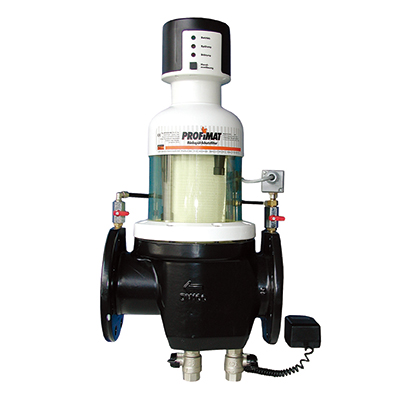
Pre-filter/impurity filter (backwash type, 德國Judo original, 3″ fully automatic)
德國 is imported with original packaging, and 德國 process production and manufacturing double guarantee.
What is a pre-filter?
A pre-filter is a water treatment device installed on the main water supply pipeline of a home or commercial building, designed to remove large impurities, sediment, rust and other solid pollutants from the water. It is the first line of defense of the water treatment system, protecting subsequent filtration equipment and household appliances from damage, ensuring the smooth operation of the water supply system and the improvement of water quality.
How the pre-filter works:
The pre-filter usually consists of a filter cartridge and filter screen. When tap water passes through the filter, large impurities in the water will be intercepted by the filter, and only relatively clean water will flow into the subsequent filtration system. This not only extends the service life of subsequent filtration equipment, but also increases the efficiency of the entire water treatment system.
Why choose a pre-filter?
1. Protect equipment: The pre-filter can remove large particulate matter from the water and protect subsequent water treatment equipment such as water softeners, activated carbon filters and reverse osmosis systems from wear and blockage.
2. Improve water quality: By removing impurities such as sediment and rust, pre-filters can significantly improve the quality of water supply, making the water cleaner and safer.
3. Extend the life of equipment: effectively reduce the wear and tear of impurities on household appliances and pipes, and extend the service life of water heaters, washing machines and other appliances.
4. Reduce maintenance costs: Reduce equipment failures and cleaning needs, reducing maintenance and replacement costs.
How to choose the right pre-filter?
The following factors should be considered when selecting a pre-filter:
1. Filtration precision: Choose the appropriate filtration precision according to home or commercial use. Generally speaking, a filtration precision of 50 microns to 100 microns can effectively remove most particulate matter.
2. Material and durability: Choose corrosion-resistant, high-strength materials, such as stainless steel or high-quality plastic, to ensure the long-term service life of the filter.
3. Flow and pressure loss: Ensure that the selected filter can meet the water flow needs of the home or commercial building, and that the pressure loss is small to ensure stable water supply.
4. Cleaning and maintenance: Choose a filter with a self-cleaning function or one that is easy to disassemble and clean to reduce maintenance workload.
Pre-filter use and maintenance:
1. Regular inspection: Regularly check the operating condition of the filter to ensure that the filter screen is not blocked or damaged.
2. Clean the filter: According to the water quality and frequency of use, clean or replace the filter regularly to maintain the filtering effect.
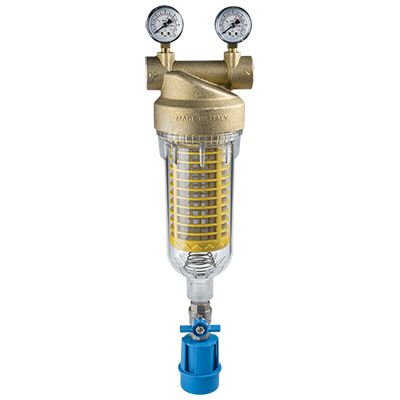
3. Monitor water pressure: Check the water pressure changes before and after the filter. If the pressure difference is too large, you may need to clean the filter or check whether the filter is operating normally.
Summarize:
Pre-filter is an important equipment to ensure the quality of domestic and commercial water. Choosing a suitable pre-filter and performing correct maintenance can effectively protect subsequent filtration equipment and household appliances, extend their service life, and improve the efficiency of the water supply system. If you are looking for high quality pre-filters, our product will be your ideal choice. We provide a variety of models and specifications of filters to meet different needs, welcome to buy!
Technical teaching:
The 德國 is an original import, and its manufacturing process ensures double assurance. Technical explanation.
What is a pre-filter? Think of it as a "gatekeeper for your water system."
Pre-filterIt refers to the first (or first few) filter cartridges/canisters installed before the main equipment: keeping "troublesome" things out, making the downstream equipment more durable, the consumables last longer, and the whole system more stable.
You can think of it as a "gatekeeper" for your water system—preventing sand, rust, and unpleasant smells from directly entering your core equipment (such as Reverse osmosis, Water softener, UV, and pressure motor).
Where should the pre-filter be installed? The 3 most common locations.
- Whole House Entry Management Office
Water enters the house and first passes through a pre-filter before being distributed to the bathroom, laundry facilities, kitchen, and other areas throughout the house. This is often called a "whole-house pre-filter" or "main pipe pre-filter". - Water purifier / Reverse osmosis (POU)
Many RO systems place a pre-filter before the membrane: usually sediment pre-filter + carbon filterFirst, prevent blockage, then reduce the risk of residual chlorine damaging the membrane. - In front of specific equipment (protecting only a specific machine)
For example, before a water softener, you need to block mud, sand, and rust; before a UV filter, you need to reduce turbidity (otherwise light won't be able to pass through); before a pressure motor, you need to reduce particle wear—the core logic is "block first, then deal with it."
What does a pre-filter primarily block? In short: it blocks what is "visible" and "smelly."
- Visible solids: mud, rust, and suspended solids (sediment/particles)
The most troublesome thing about this type is clogging: clogged filter elements, clogged valves, clogged RO membranes, which ultimately manifests as "the flow rate getting smaller and smaller and the pressure getting increasingly strange". - Smell: chlorine smell, unpleasant odor, some organic matter
Most of the improvement in taste and aroma relies on activated carbon through "adsorption"; but itnoIt is used to "absorb" salt or dissolved inorganic salts (this is the most easily misunderstood point).
Common types of pre-filters and their corresponding "blocking properties" comparison table
| Pre-filter type | What does it mainly block? | Common Specifications/Concepts | Most frequently installed location | Small pitfalls you need to be aware of |
|---|---|---|---|---|
| Sediment filter (PP/cotton/pleated) | Mud, rust, suspended solids | Common sizes are 1–20 µm (the smaller and finer, the easier to plug). | The first step before whole-house PoE and RO | Too fine a filter isn't necessarily better: when the raw water is turbid, it's prone to pressure drop and rapid flow decrease. |
| Carbon block (CTO) | It can also block chlorine odor, unpleasant smells, and some organic matter; it can also block some particulate matter. | Primarily based on "adsorption", often made in block form | RO membrane pre-treatment and under-sink water purifier pre-treatment | If you care about "efficacy claims", remember to check the certification/testing basis. |
| GAC (granular activated carbon) | Primarily improves taste/odor and some organic matter. | Particulate carbon; flow rate and contact time have a significant impact. | For the entire apartment or under-sink area (depending on the design) | Too much data means insufficient contact time, which can diminish the effectiveness. |
| Combination: Sediment + Carbon | First, block particles, then treat chlorine/odor to protect downstream components (especially RO membranes). | The most common approach to RO systems | RO system front end | The order and frequency of filter replacement should be coordinated; don't replace only one filter. |
How to choose a pre-filter? Quickly determine the direction with 3 questions.
| What are you asking yourself? | Common Answers | What prerequisites would you likely need? |
|---|---|---|
| What is your water source? | Tap water (occasionally contains sediment/rust and has a chlorine taste) | most sediment + carbon It's very touching. |
| What is your water source? | Well water/groundwater (high in silt and sand, turbidity, iron/manganese content) | First, stabilize the "particle/turbidity" level, then discuss subsequent processing. |
| Who are you going to protect? | RO membrane | Key points:Prevents clogging + Reduces residual chlorine risk |
| Who are you going to protect? | Water Softener | Key points: Prevent mud, sand, and rust from jamming valves; reduce wear. |
| Who are you going to protect? | UV | Key point: Reduce turbidity first to avoid sacrificing disinfection efficiency. |
| What do you care about most? | Traffic sensitive | Don't use a very fine µm filter at the beginning, otherwise it will feel like the pain of "a bubble tea straw getting blocked". |
How often should you change your pre-filter? Don't just memorize "three months"; pay attention to these 3 signs for a more accurate reading.
| The phenomenon you see | Common causes | What you can do |
|---|---|---|
| Reduced flow rate / Slower water output | Filter cartridge clogged (particle accumulation) | Inspect and replace the sediment; adjust the µm or increase the pre-capacity if necessary. |
| The pressure difference between the front and rear increases (it's easier to determine this with a pressure gauge). | System resistance increases | Using pressure difference as a "change indicator" is usually more accurate than using time. |
| The taste is back. | Activated carbon adsorption capacity depleted | Replace the carbon filter; also check if the flow rate is too high, causing poor performance. |
To add a more practical point:The more unstable the water quality, the higher the usage, the more frequently it needs to be replaced.Pre-filters are consumables; if you don't replace them, you'll often end up "saving a little money but having to pay for major repairs later."
In short
Pre-filterIt's about keeping problems at bay, making backend equipment more durable, stable, and requiring less maintenance; its forte is usually...Sediment and taste/residual chlorine (activated carbon adsorption)If you are looking for an "effective reduction" of a specific contaminant, it is recommended to refer to testing/certification approaches like those of the NSF for a more reliable option.
Want to integrate a pre-filter directly into your water softening/purification system for a stable, easy-to-maintain, and more consumable-efficient solution? You can check out Clack's related products and solutions.

 繁體中文
繁體中文  English
  日本語
日本語